
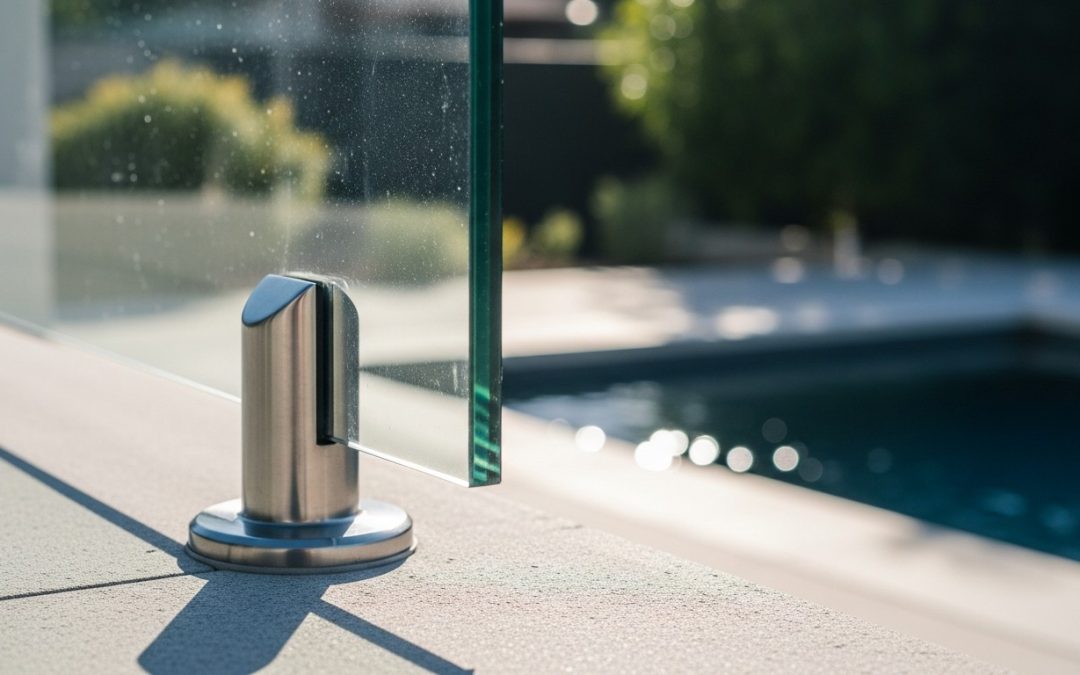
TL;DR: The long-term safety and stability of glass balustrades on Adelaide properties hinge on three critical factors: professional installation, the selection of correct, high-quality hardware, and appropriate attachment to a suitable substrate. These elements ensure durability and compliance with safety standards, protecting your investment and those using the space. For a broader understanding of various glass fencing options, you can explore more details on glass balustrades.
The Unseen Strength: Why Structural Integrity Matters
For homeowners across Adelaide with swimming pools, or those planning a renovation, the allure of glass balustrades is undeniable. They offer unobstructed views, a sleek modern aesthetic, and a sense of open space. However, beneath this elegant facade lies a crucial element that demands careful consideration: structural integrity. This isn’t just about appearance; it’s the very foundation of safety, durability, and peace of mind for any property owner or builder.
A glass balustrade is more than just panels of glass. It’s an engineered system designed to withstand various forces, from everyday use to environmental stresses. Its ability to perform this role safely over many years depends almost entirely on the quality of its components and, critically, how it’s installed. Neglecting any aspect of its structural foundation can lead to significant safety risks and costly future repairs.
The Cornerstone: Professional Installation in Adelaide
The saying ‘a chain is only as strong as its weakest link’ rings particularly true for glass balustrades. Even the highest quality materials can fail if the installation isn’t executed with precision and expertise. This is where professional installation becomes paramount, especially in Adelaide where local conditions and building codes apply.
A qualified installer understands the nuances of different substrates – whether it’s concrete, timber decking, or a tiled surface. They know how to correctly measure, cut, and position panels to ensure even load distribution and prevent undue stress points. Furthermore, they are familiar with local regulations concerning balustrade height, gap sizes, and load-bearing requirements, ensuring your installation meets all necessary safety standards. An improperly installed balustrade may appear stable initially but could develop weaknesses over time, potentially leading to instability or even collapse.
Choosing experienced fencing installers Adelaide means relying on a team that brings decades of practical knowledge to every project. Their expertise helps to anticipate potential challenges and implement solutions that guarantee long-term stability.
Selecting the Right Hardware: More Than Just Aesthetics
The hardware used in glass balustrades – spigots, standoffs, handrails, and fixings – plays a pivotal role in its structural integrity. These components are the mechanical connection between the glass panels and the building structure, bearing the brunt of any forces applied to the balustrade.
- Spigots and Standoffs: These are often made from marine-grade stainless steel, chosen for its corrosion resistance and strength. However, not all stainless steel is created equal, and cheaper alternatives may compromise long-term durability, especially in Adelaide’s varied climate. The design of the spigot or standoff also matters; a robust design ensures a secure grip on the glass without causing undue pressure.
- Fixings and Anchors: The type of fixing used to secure hardware to the substrate is critical. For concrete, specific anchor bolts are required. For timber, different fasteners are necessary. Using the wrong type, or an inadequate number, can severely compromise the balustrade’s ability to withstand lateral loads. A professional installer will assess the substrate and select the most appropriate, load-rated fixings.
- Handrails: While not always mandatory for frameless glass balustrades, a top rail can add an extra layer of structural rigidity and improve overall stability, particularly for longer runs of glass. It helps to distribute forces across multiple panels, reducing stress on individual connections.
Investing in high-quality hardware might seem like an added expense, but it’s an investment in safety and longevity. Inferior hardware can corrode, weaken, or fail prematurely, necessitating costly replacements or repairs down the line. It’s a critical aspect of ensuring robust glass pool fencing.
The Substrate: A Solid Foundation for Safety
The material to which the glass balustrade is attached, known as the substrate, is arguably as important as the balustrade components themselves. Whether it’s a concrete slab, a timber deck, or a steel beam, the substrate must be capable of supporting the weight and forces exerted by the balustrade.
- Concrete: A well-poured, cured concrete slab provides an excellent foundation, but the thickness and quality of the concrete are vital. Professional installers will ensure that anchors penetrate sufficiently into solid concrete, away from edges or weak points.
- Timber Decking: Attaching balustrades to timber requires careful planning. The timber must be structurally sound, adequately thick, and free from rot or significant damage. Often, additional blocking or reinforcement beneath the deck surface is necessary to provide the required support for spigots or standoffs. Improper attachment to timber can lead to movement, instability, and an unsafe balustrade.
- Tiles and Pavers: While balustrades can be installed through tiled or paved surfaces, the primary attachment must always be to the structural substrate beneath. This involves careful drilling through the tiles to reach the concrete or timber below, ensuring a waterproof seal around the fixings to prevent water ingress. Relying solely on the tiles for support is a common mistake that can lead to failure.
Understanding the properties of the substrate and preparing it correctly is a fundamental step in ensuring structural integrity. It’s a key consideration for any pool fencing Adelaide project.
Ensuring Long-Term Stability for Your Adelaide Property
For homeowners and builders in Adelaide, prioritizing structural integrity in glass balustrades means focusing on these three intertwined elements: professional installation by experienced technicians, the use of high-grade, appropriate hardware, and secure attachment to a suitable, robust substrate. When these factors are meticulously addressed, your glass balustrade will not only enhance the beauty of your property but also provide a safe, durable, and stable barrier for many years to come.
Remember, while the visual appeal of glass is a major draw, its unseen strength, rooted in its structural integrity, is what truly protects and performs.