
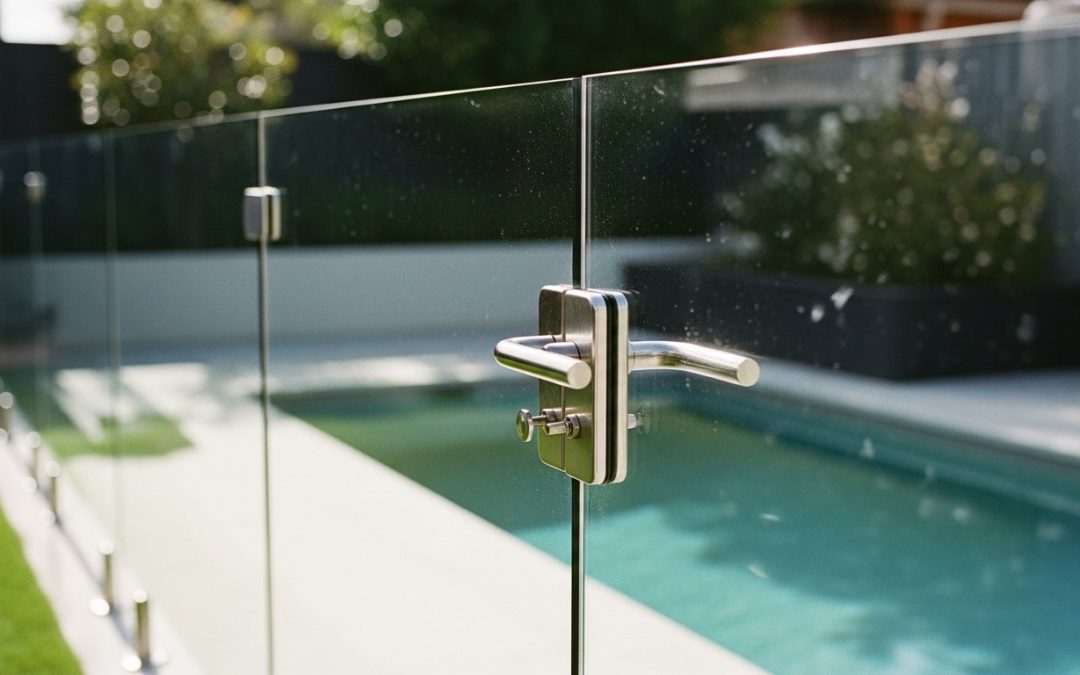
For homeowners in Adelaide considering the sleek aesthetics and robust safety of glass pool fencing, understanding the local regulations is paramount. This article delves into the specific requirements for glass pool fencing in Adelaide, a crucial aspect of overall pool safety, which you can explore further on our main page about frameless glass pool fencing. Adhering to these standards is not merely a legal obligation; it’s a fundamental commitment to the well-being of occupants, particularly children, around swimming pools.
Understanding Adelaide’s Pool Fencing Regulations
In Adelaide, as with the rest of South Australia, pool safety legislation is designed to prevent drowning and serious injury, especially in young children. The primary legislation governing pool fencing is the Development Act 1993 and the Development Regulations 2008, specifically regarding swimming pool safety requirements. These regulations apply to all new pools and existing pools where significant alterations are made. For glass pool fencing, these rules dictate everything from panel height to gate mechanisms.
Key Requirements for Glass Pool Fencing
Compliance often hinges on several critical design and installation elements:
- Minimum Fence Height: The fence must have a minimum effective height of 1200mm (1.2 meters) measured from the finished ground level. This height is crucial to deter children from climbing over.
- Non-Climbable Zone: A 900mm non-climbable zone must be maintained on the outside of the fence, extending around the entire perimeter. This means there should be no permanent objects, such as garden beds, BBQs, or filtration equipment, within 900mm of the fence that could be used to climb over it. Many situations involve existing landscaping, and careful planning is needed to ensure this zone is clear.
- Gate Requirements: Gates are often the most common point of non-compliance. They must:
- Be self-closing and self-latching from any open position.
- Open outwards, away from the pool area.
- Have a latch release mechanism that is at least 1500mm (1.5 meters) from the ground level, or if on the inside of the gate, at least 150mm below the top of the gate, shielded to prevent access from the outside.
- Not be able to be propped open. What usually causes problems is when gates are not regularly checked for their self-closing and self-latching functionality.
- Panel Gaps: Gaps between glass panels, or between a panel and a post/wall, must not exceed 100mm. This prevents small children from squeezing through.
- Ground Clearance: The gap between the bottom of the fence and the finished ground level should not exceed 100mm. This prevents children from crawling underneath.
- Panel Strength and Integrity: Glass panels must be made from toughened safety glass, typically 10mm or 12mm thick, designed to withstand impact without shattering into dangerous shards. They must also be securely fixed, whether through spigots, posts, or a channel system. Common scenarios include panels being incorrectly sized or installed, leading to instability.
The Importance of Professional Installation
While the aesthetic appeal of glass fencing is undeniable, its primary role is safety. This means that correct installation is as critical as the quality of the materials themselves. Professional fencing installers Adelaide understand the nuances of the local regulations and have the experience to implement them correctly. They can identify potential compliance issues before they become costly problems, ensuring that every aspect of the fence, from the gate hinges to the spigot fixings, meets the stringent requirements. A balanced perspective acknowledges that even the highest quality materials can fail to meet standards if not installed precisely.
Ignoring these standards can lead to significant consequences, including fines, orders to rectify the non-compliance, and, most importantly, a heightened risk of accidents. For builders and renovators, integrating compliant pool fencing Adelaide into project plans from the outset can save considerable time and expense down the line. It involves more than just selecting a beautiful fence; it requires a detailed understanding of how that fence will interact with its environment to create a secure barrier.
Common Compliance Challenges and Solutions
Navigating pool fencing regulations can present challenges. For example, uneven ground can make maintaining the 100mm ground clearance difficult, often requiring custom panel sizes or careful landscaping adjustments. Another common issue is ensuring the non-climbable zone around existing structures like retaining walls or sheds. These situations often demand creative, compliant solutions that an experienced installer can provide.
Ultimately, ensuring your glass fencing installations meet Adelaide’s safety standards requires attention to detail and a thorough understanding of the regulations. It’s an investment in safety that protects your loved ones and provides peace of mind.