
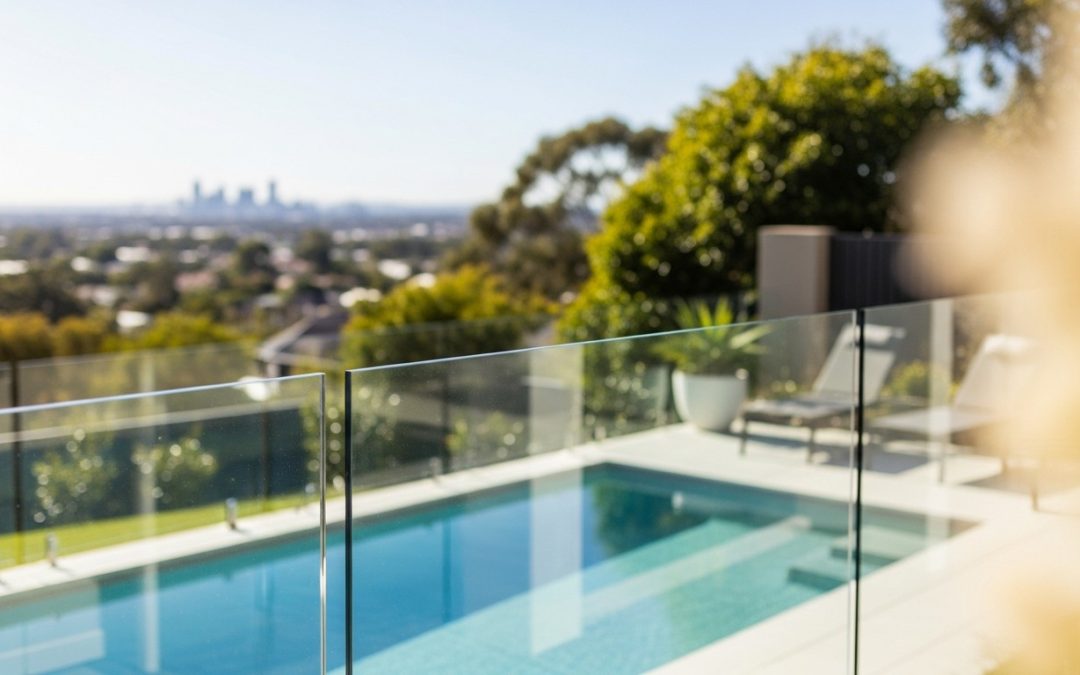
Glass balustrades represent a sophisticated choice for enhancing both safety and aesthetic appeal in various architectural settings. While the broader topic of glass balustrades encompasses a wide range of applications, this discussion focuses specifically on modern design trends and practical considerations for homeowners, builders, and renovators in Adelaide. Modern glass balustrade designs offer a clean, contemporary look that complements many Adelaide properties, from coastal homes to urban residences, providing unobstructed views and a sense of spaciousness. Understanding the nuances of these designs, their installation, and compliance with local standards is crucial for achieving both visual impact and functional integrity.
The Appeal of Modern Glass Balustrade Designs in Adelaide
Adelaide’s architectural landscape is diverse, featuring everything from historic sandstone villas to sleek, new builds. Modern glass balustrade designs offer a versatile solution that can enhance the visual appeal of nearly any property type. Their inherent transparency allows natural light to flow freely, brightening spaces and creating an open, airy atmosphere, which is particularly desirable in homes with scenic views or well-designed outdoor living areas. The minimalist aesthetic of glass blends seamlessly with various materials like timber, concrete, and steel, making it a flexible choice for contemporary renovations and new constructions.
For properties with swimming pools, integrating modern glass balustrades can elevate the entire outdoor living experience. They provide the necessary safety barrier without impeding the view of the pool or the surrounding landscape, a key consideration for homeowners who value both security and aesthetics. The ability to customize various elements means these balustrades can be tailored to fit specific design visions, ensuring a cohesive look throughout a property.
Frameless Glass Balustrades: A Seamless Aesthetic
Frameless glass balustrades are often considered the pinnacle of modern design due offering an almost invisible barrier. This style employs thick, toughened glass panels that are anchored directly to the substrate, typically with discreet spigots or a channel system at the base. The absence of vertical posts or handrails maximizes transparency, providing completely unobstructed views. This is particularly advantageous for properties in Adelaide that overlook gardens, hills, or the coastline, where preserving the vista is a priority.
The installation of frameless glass requires a high degree of precision to ensure structural integrity and compliance with safety regulations. Factors such as the type of glass, its thickness, and the quality of the anchoring hardware are critical. Many situations involve careful site assessment to determine the most suitable fixing method, whether it is core-drilled spigots into concrete or deck-mounted spigots for timber structures. The seamless look achieved by frameless designs contributes significantly to a sophisticated, contemporary aesthetic.
Semi-Frameless Glass Balustrades: Blending Form and Function
Semi-frameless glass balustrades offer a balance between the minimalist appeal of frameless systems and the robust structure of framed options. This design typically features toughened glass panels secured by slender, strategically placed posts, often made from marine-grade stainless steel or powder-coated aluminum. These posts provide additional structural definition while still maintaining a high degree of transparency.
For homeowners and builders in Adelaide, semi-frameless options can be a practical choice. They often present a more cost-effective solution compared to fully frameless systems, while still delivering a modern and elegant appearance. The posts themselves can be a design element, with various finishes and profiles available to complement the property’s existing style. Common scenarios include using semi-frameless balustrades for staircases, balconies, and around glass pool fencing, where a subtle visual break can enhance safety perception without sacrificing openness.
Top-Mounted vs. Side-Mounted Glass Balustrades
The method of installation significantly impacts both the aesthetics and the functional aspects of a glass balustrade. Two primary methods are top-mounted and side-mounted systems.
- Top-Mounted Systems: These are the most common, where the balustrade is fixed directly onto the surface of the deck, balcony, or slab. Spigots or channels are secured to the top surface, holding the glass panels in place. This method is generally straightforward to install and is suitable for most applications where there is sufficient surface area for fixing. It typically requires less complex structural preparation compared to side-mounted options.
- Side-Mounted Systems: Also known as fascia-mounted, these systems involve fixing the balustrade to the side or fascia of the structure. This method is particularly useful in situations where maximizing floor space on a balcony or deck is important, as the glass sits outside the usable area. It can also create a sleek, cantilevered look that appeals to modern architectural designs. However, side-mounting often requires more robust structural support and careful consideration of waterproofing details. The choice between top-mounted and side-mounted often depends on the existing structure, desired aesthetic, and available space.
Customization and Design Elements for Adelaide Properties
Modern glass balustrade designs offer considerable scope for customization, allowing them to be perfectly integrated into Adelaide’s diverse property styles. The choices in glass and hardware can profoundly influence the final look:
- Glass Types: While clear toughened glass is standard for its transparency, options like low-iron glass can be used for even greater clarity, minimizing the green tint often seen in standard glass. Frosted or tinted glass can provide privacy or reduce glare in specific areas, such as a balcony overlooking a public space.
- Hardware Finishes: The choice of spigots, handrails (if used), and other fittings can significantly impact the balustrade’s character. Popular finishes include marine-grade stainless steel for a classic, durable look, and matte black or custom powder-coated options for a more contemporary, industrial, or bold aesthetic. These finishes can be matched to existing window frames, door hardware, or other external features of the home.
- Integration with Landscaping and Pool Surrounds: For glass pool fencing, the design of the balustrade can be harmonized with the pool coping, paving materials, and garden elements. For instance, a frameless design around a pool with natural stone paving can create a luxurious, resort-like feel.
Ensuring Safety and Compliance with Modern Designs
Safety is paramount when installing any balustrade, especially for properties with pools or elevated areas. In Australia, glass balustrades must comply with stringent national and local building codes, including AS 1288 (Glass in Buildings) and AS 1926.1 (Swimming Pool Safety – Safety barriers for swimming pools). These standards dictate requirements for glass thickness, panel size, fixing methods, and barrier heights, among other things.
The role of professional glass fencing installations is critical here. An experienced installer understands these regulations and ensures that the design and construction meet all necessary criteria for structural integrity and user safety. What usually causes problems is attempting to cut corners on material quality or installation expertise, which can lead to non-compliance and potential hazards. Common scenarios where compliance can be tricky include ensuring correct gap sizes between panels and the ground, adequate height for fall protection, and appropriate gate self-closing mechanisms for pool fencing Adelaide.
The Installation Process for Glass Balustrades
Installing modern glass balustrades involves several key stages, each requiring meticulous attention to detail. The process typically begins with a thorough site assessment and precise measurements to ensure that the glass panels are custom-fitted to the exact specifications of the space. This initial planning phase is crucial for avoiding costly errors later on.
Once measurements are confirmed, the glass panels are fabricated, and the appropriate hardware (spigots, channels, handrails if applicable) is selected. The installation itself involves carefully securing the fixing points to the existing structure. This might involve core drilling into concrete, bolting to timber decks, or attaching to fascia boards. The glass panels are then precisely positioned and clamped or channeled into place. Leveling and alignment are critical to achieving a professional finish and ensuring the structural integrity of the barrier.
What usually causes problems is inadequate preparation of the substrate, such as uneven surfaces or weak fixing points, which can compromise the stability of the balustrade. The expertise of fencing installers Adelaide is invaluable in navigating these challenges, ensuring that the installation is not only aesthetically pleasing but also safe and durable for years to come. Many situations involve bespoke solutions to unique site conditions, highlighting the need for experienced professionals.
Modern glass balustrade designs offer Adelaide homeowners and builders a sophisticated and safe solution for enhancing their properties. From the seamless look of frameless systems to the balanced appeal of semi-frameless options, these designs provide clear views, abundant natural light, and a contemporary aesthetic. Prioritizing expert planning and professional installation is key to ensuring that these elegant barriers meet all safety standards and deliver lasting beauty and functionality.