
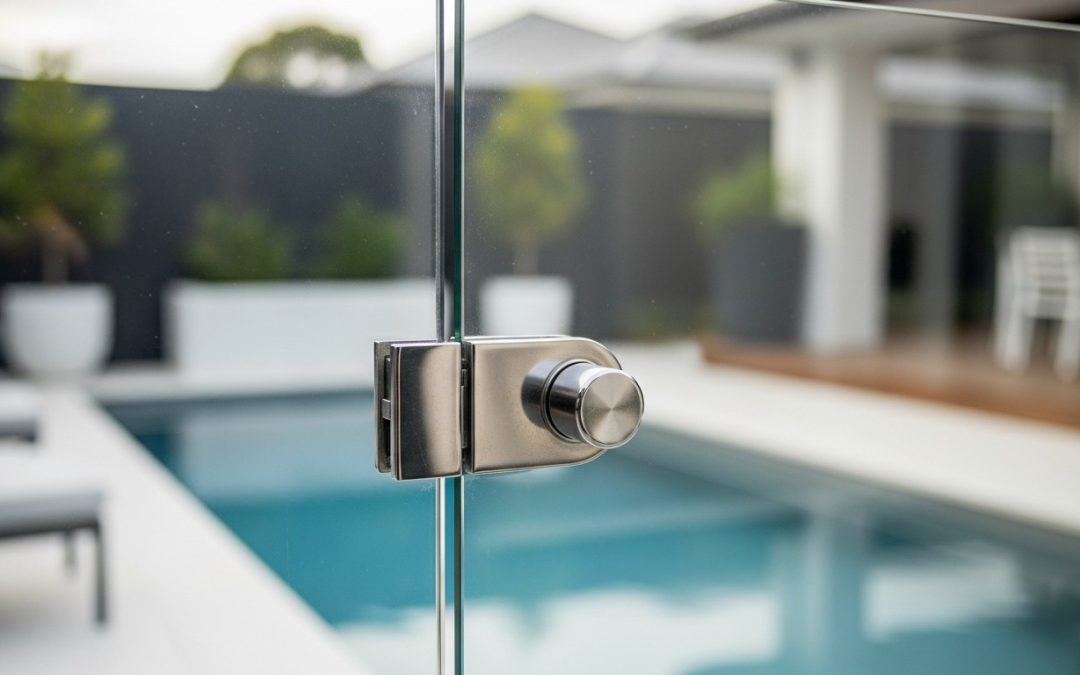
Ensuring Pool Safety: Child Features in Adelaide Glass Fencing
For homeowners in Adelaide, a swimming pool offers a fantastic way to enjoy the warm climate and create lasting family memories. However, with the joy of a pool comes the critical responsibility of ensuring its safety, especially for children. While frameless glass pool fencing provides an unobstructed view and modern aesthetic, its primary role is to act as a robust safety barrier. This article focuses on the essential child safety features integrated into glass pool fencing, offering an Adelaide homeowner’s guide to understanding these crucial elements.
Understanding the specific safety features available is paramount for anyone installing new pool fencing in Adelaide or upgrading an existing barrier. These features are designed not just to meet regulatory standards but, more importantly, to provide peace of mind that your pool area is as secure as possible for young ones.
Self-Closing and Self-Latching Gates: The First Line of Defence
The gate is arguably the most critical component of any pool safety barrier. For glass pool fencing, self-closing and self-latching gates are non-negotiable. These mechanisms ensure that the gate automatically swings shut and engages the latch every time it’s opened, preventing it from being left ajar accidentally. This automatic action significantly reduces the risk of a child gaining unsupervised access to the pool area.
- Spring-Loaded Hinges: These are specifically designed to pull the gate closed with sufficient force to ensure the latch engages. Quality hinges are durable and resistant to corrosion, essential for Adelaide’s climate.
- Magnetic Latches: Many modern glass pool gates incorporate magnetic latches, which are highly reliable. Once the gate swings closed, the magnetic force pulls the latch bolt into place, securing the gate automatically. These latches are often positioned out of a child’s reach.
- Adjustable Tension: Reputable fencing installers Adelaide can adjust the tension of self-closing hinges to ensure the gate closes reliably without slamming, which helps with longevity and quiet operation.
Strategic Latch Positioning: Out of Reach, Out of Mind
Beyond the self-latching mechanism, the physical placement of the latch is a vital child safety feature. Australian Standards, which Adelaide pool owners must adhere to, stipulate specific heights for gate latches to prevent young children from reaching them. Typically, the latch release mechanism must be at least 1500mm from ground level. This height makes it virtually impossible for toddlers and young children to operate the latch independently.
- Top-Mounted Latches: Many glass pool gates feature latches mounted on the top section of the gate frame, making them harder for children to reach.
- Inward Opening Gates: Pool gates are generally designed to open outwards, away from the pool area. This design adds another layer of safety, as a child trying to push an inward-opening gate would find it more difficult to open from the pool side.
- Key-Lockable Options: For an extra layer of security, some gate latches can be key-locked, providing additional control over access, especially when the pool is not in use for extended periods.
Non-Climbable Design: Smooth Surfaces and No Footholds
One of the inherent safety advantages of glass pool fencing is its smooth, vertical surface. Unlike other fencing materials that might offer horizontal rails or gaps, glass panels present no handholds or footholds for a child to use for climbing. This non-climbable design is a cornerstone of effective pool safety barriers.
- Seamless Panels: High-quality glass panels are installed with minimal gaps between them, typically no more than 10mm, preventing small children from squeezing through or using gaps as leverage.
- No Protrusions: The design avoids any decorative elements or structural components that could inadvertently become a climbing aid.
- Clear View: While not a direct physical barrier, the clear view offered by glass fencing allows for constant, unobstructed supervision of the pool area, which is a crucial aspect of overall pool safety.
Durable and Impact-Resistant Glass
The strength and integrity of the glass itself are fundamental to its safety features. Toughened safety glass, typically 10-12mm thick, is used for pool fencing. This type of glass is significantly stronger than standard glass and is designed to withstand considerable impact. In the rare event of breakage, it shatters into small, blunt fragments, reducing the risk of serious injury.
- Australian Standards Compliance: All glass used for pool fencing Adelaide must comply with Australian Standards AS/NZS 2208:1996 (Safety Glazing Materials in Buildings) and AS 1926.1-2012 (Safety barriers for swimming pools). This ensures the glass meets stringent safety and durability requirements.
- Professional Installation: Proper installation is critical to the glass’s integrity. Panels must be securely mounted using high-quality spigots or channels to ensure stability and resistance to external forces.
Compliance with Local Regulations: Adelaide’s Specifics
Adelaide homeowners and builders must be aware of and comply with the South Australian Development Act 1993 and Development Regulations 2008, which mandate specific requirements for swimming pool safety barriers. These regulations cover everything from fence height and gate operation to non-climbable zones and ongoing maintenance. Reputable glass fencing installations companies are well-versed in these local requirements and can ensure your fencing project meets all necessary standards.
- Minimum Height: Pool fences must have a minimum height of 1200mm from the finished ground level.
- Non-Climbable Zone: A 900mm non-climbable zone must be maintained around the fence, free from objects that could assist a child in climbing.
- Regular Inspections: While professional installation ensures initial compliance, homeowners are responsible for maintaining the safety barrier and conducting regular checks to ensure all components, especially gates and latches, remain in good working order.
Professional Installation: The Ultimate Safety Feature
While the design and components of glass pool fencing incorporate numerous child safety features, their effectiveness hinges on professional installation. Experienced fencing installers Adelaide understand the nuances of local regulations, the structural requirements for secure mounting, and the precise adjustments needed for gates and latches to function flawlessly.
Attempting a DIY installation or choosing an inexperienced installer can compromise the integrity of the barrier, potentially creating unsafe gaps or faulty gate mechanisms. Investing in professional installation ensures that every safety feature is correctly implemented, offering maximum protection for your family.
Conclusion: Prioritising Safety with Glass Pool Fencing
For Adelaide homeowners, selecting glass pool fencing means choosing a solution that blends modern aesthetics with crucial child safety features. From the reliability of self-closing, self-latching gates with high-set latches to the non-climbable nature of toughened glass panels, every element is designed with a child’s protection in mind. Adhering to local regulations and, critically, opting for professional installation are the final steps to creating a secure and enjoyable pool environment for years to come. Prioritising these safety aspects ensures your pool remains a source of joy, not concern, for your family.