
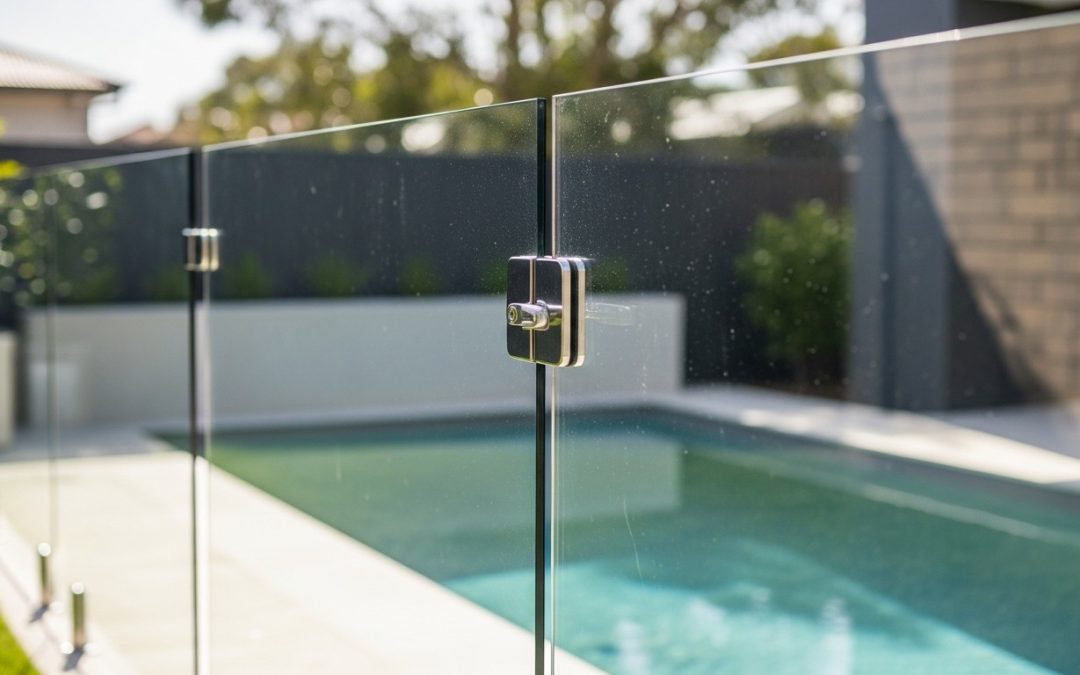
Ensuring the safety of your swimming pool is a paramount responsibility for homeowners across Adelaide. A critical aspect of this involves adhering to the strict regulations surrounding pool fencing. While the aesthetic appeal of glass pool fencing is undeniable, maintaining compliance can sometimes present challenges. This article explores common non-compliance issues often encountered with glass pool fencing in Adelaide and outlines practical steps to help property owners and builders avoid them. Understanding these regulations is key to creating a secure pool environment, a topic further explored in our discussion on frameless glass pool fencing.
Why Pool Fencing Compliance Matters in Adelaide
Pool safety barriers are not merely a suggestion; they are a legal requirement in South Australia, designed to prevent drowning and serious injury, especially among young children. Non-compliance can lead to significant penalties, including fines, and more importantly, it poses a serious risk to life. Local councils in Adelaide regularly conduct inspections, and it’s essential for all pool owners to understand and meet the current Australian Standards (AS 1926.1-2012) and South Australian Development Regulations.
Many situations involve property owners inheriting a pool with existing fencing or undertaking renovations that might inadvertently affect compliance. Common scenarios include older fence installations that no longer meet updated standards, or new installations where specific details are overlooked. What usually causes problems is a lack of detailed understanding regarding the nuances of the regulations, which can be complex and specific to various components of the fence system.
Common Glass Pool Fencing Non-Compliance Issues
Several recurring issues lead to non-compliance when it comes to glass pool fencing in Adelaide. Being aware of these can significantly help in preventing problems.
-
Incorrect Gate Operation and Latching
One of the most frequent non-compliance issues relates to the pool gate. Gates must be self-closing and self-latching from any open position, without needing manual assistance. The latch release mechanism should also be positioned at a height that prevents young children from reaching it, typically at least 1500mm above ground level. A common scenario involves gates that don’t fully close or latch automatically due to misalignment, worn hinges, or obstructions. What usually causes problems is improper installation or lack of regular maintenance, allowing the gate to sag or hinges to seize.
-
Insufficient Fence Height and Gaps
The minimum height for a pool barrier is 1200mm from finished ground level. Any gaps beneath the fence or between panels must not exceed 100mm. This includes gaps under the gate. Many situations involve uneven ground levels causing larger gaps, or panels being installed too far apart. What usually causes problems is failure to account for varying ground levels during installation, or using non-compliant hardware that creates excessive gaps. Even small discrepancies can result in a non-compliant barrier.
-
Climbable Objects Near the Fence
Any object that could be used by a child to climb over the pool barrier is a significant non-compliance risk. This includes garden beds, BBQs, pool pumps, trees, shrubs, and even furniture placed too close to the fence. The non-climbable zone typically extends 900mm from the top of the barrier, both internally and externally. Common scenarios include new landscaping features being added after fence installation, or existing items being overlooked. What usually causes problems is a lack of awareness of the non-climbable zone requirement, leading to items being placed too close to the fence over time.
-
Boundary Fence as a Barrier
While an existing boundary fence can form part of the pool barrier, it must meet specific requirements. It must be at least 1800mm high on the side facing the pool (to prevent climbing from a neighbour’s property) and be non-climbable on the pool side for 900mm from the top. Many situations involve boundary fences that are too low or have horizontal rails on the pool side that could aid climbing. What usually causes problems is assuming an existing boundary fence is automatically compliant without checking its specific height, material, and climbable elements.
-
Panel Integrity and Fixings
Glass panels must be securely fixed and free from significant damage like cracks or chips that could compromise their structural integrity. Posts, spigots, and other fixings must be robust and corrosion-resistant. Common scenarios include panels becoming loose over time due to ground movement or improper installation, or minor damage escalating into a compliance issue. What usually causes problems is using incorrect fixings for the substrate or neglecting to address small imperfections that can worsen.
How to Avoid Glass Pool Fencing Non-Compliance
Preventing non-compliance is far easier and less costly than rectifying issues after an inspection. Proactive measures are key for homeowners and builders in Adelaide.
-
Early Planning and Design Consultation
Integrate pool fencing compliance into the very early stages of pool installation or renovation projects. Consulting with professionals who understand the specific South Australian regulations can help ensure the design inherently meets all requirements. This includes considering pool location relative to boundaries, house walls, and potential climbable objects. Many situations involve retrospectively trying to fit a fence into an existing space, which can create challenges. What usually causes problems is not factorizing compliance from the initial design phase.
-
Understand and Apply Relevant Standards
Familiarize yourself with the key aspects of AS 1926.1-2012 and the South Australian Development Regulations. While the full documents are extensive, understanding the core principles regarding gate operation, fence height, gap dimensions, and non-climbable zones is crucial. Builders and renovators should ensure their teams are regularly updated on any changes to these standards. Common scenarios include relying on outdated information or misinterpreting specific clauses. What usually causes problems is a lack of ongoing education regarding regulatory updates.
-
Professional Installation and Quality Materials
Engaging experienced fencing installers Adelaide is one of the most effective ways to ensure compliance. Professionals are knowledgeable about the regulations and best practices, ensuring correct installation of gates, panels, and fixings. They can also advise on appropriate materials that meet durability and safety standards for glass fencing. Many situations involve DIY installations or using inexperienced contractors, leading to critical errors. What usually causes problems is underestimating the precision required for compliant installation.
-
Regular Inspections and Maintenance
Even after professional installation, regular checks are essential. Periodically inspect your pool fence for any signs of wear and tear, loose components, or damage. Check that gates self-close and latch effectively. Ensure no new climbable objects have been placed within the non-climbable zone. Common scenarios include neglecting maintenance over several years, allowing minor issues to develop into major compliance breaches. What usually causes problems is assuming a once-compliant fence will remain compliant indefinitely without ongoing checks.
-
Post-Installation Compliance Certificate
Always obtain a Certificate of Compliance from a qualified pool safety inspector after installation or significant modification. This provides documented proof that your pool fencing Adelaide meets current standards. It also offers peace of mind and can be crucial during property sales. Many situations involve property owners skipping this step, only to find out their fence is non-compliant during a council inspection or property transfer. What usually causes problems is not completing the final, critical step of independent certification.
Adhering to pool fencing regulations is a continuous commitment to safety. By understanding common pitfalls and adopting proactive strategies, homeowners and builders in Adelaide can ensure their glass pool fencing not only looks great but also provides the highest level of safety and compliance.