
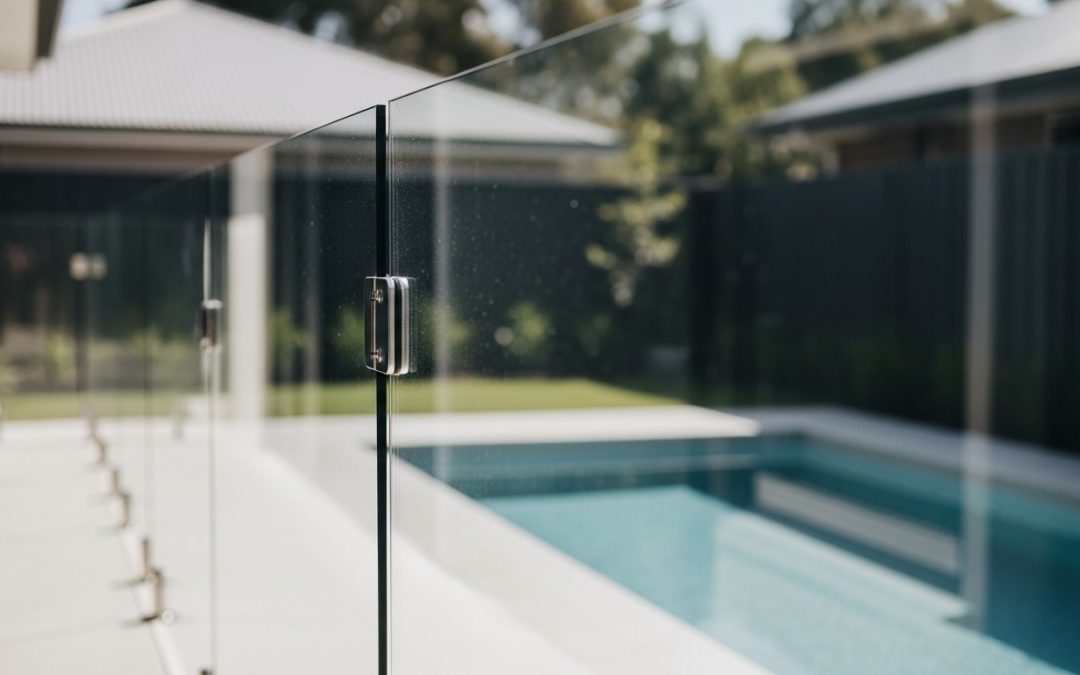
For homeowners in Adelaide considering a new swimming pool or updating an existing one, glass pool fencing offers a sleek, modern aesthetic that maximizes views while providing essential safety. Builders and renovators in the region also frequently encounter projects requiring compliant and visually appealing pool barriers. Understanding the specific aspects of glass pool fencing, from material choices to installation requirements, is crucial for a successful outcome in the Adelaide climate and regulatory environment.
When planning for glass pool fencing, several factors come into play, primarily focusing on compliance with Australian Standards and local council regulations in South Australia. These standards are designed to ensure the safety of children around pools, making proper installation paramount. The choice between frameless and semi-frameless systems, the type of glass used, and the installation method all contribute to both the fence’s appearance and its structural integrity.
Understanding Glass Types and Systems
The foundation of any glass pool fence is the glass itself. Typically, 10mm or 12mm thick toughened safety glass is used. This type of glass is manufactured to be significantly stronger than standard glass and, if broken, shatters into small, relatively harmless pieces, reducing the risk of injury. This is a critical safety feature for pool environments.
- Frameless Glass Fencing: This system uses thick glass panels (usually 12mm) secured by stainless steel spigots fixed into the ground. The panels meet edge-to-edge with minimal gaps, creating an almost invisible barrier. This design offers the clearest views and a high-end finish, often preferred for modern Adelaide homes.
- Semi-Frameless Glass Fencing: Utilizing slightly thinner glass panels (typically 10mm), this system incorporates posts, usually made of aluminum or stainless steel, between the glass sections. While still providing excellent visibility, the posts offer an alternative aesthetic and can sometimes be a more cost-effective option than fully frameless designs.
The choice between these systems often depends on the homeowner’s aesthetic preference, budget, and the specific layout of the pool area. For builders, understanding these distinctions is important for client consultation and project planning, ensuring the chosen system aligns with the overall design vision for Adelaide properties.
Installation and Compliance in South Australia
Proper installation is not merely about aesthetics; it is fundamental to the safety and compliance of glass pool fencing. In South Australia, pool safety barriers must comply with relevant Australian Standards, primarily AS 1926.1-2012. This standard dictates requirements for fence height, gate self-closing mechanisms, latching devices, and the absence of climbable objects near the fence. Professional installation ensures these critical aspects are met.
Key Installation Considerations:
- Ground Preparation: The stability of the fence relies heavily on the substrate. Spigots for frameless systems need to be securely fixed into concrete, timber decking with adequate reinforcement, or other approved structural bases. In Adelaide’s varied soil conditions, proper foundation work is crucial.
- Gate Mechanisms: Pool gates must be self-closing and self-latching from any open position. The latching mechanism must be at least 1500mm from ground level to prevent young children from reaching it. Regular checks of gate hinges and latches are important for ongoing safety.
- Panel Alignment and Gaps: Panels must be installed with precise alignment and maintain specific gap tolerances (e.g., no more than 10mm between panels and the ground) to prevent small children from squeezing through or under the barrier. Inconsistent gaps can lead to non-compliance.
- Proximity to Climbable Objects: Any permanent fixtures, such as garden beds, BBQs, or even tree branches, that could be used to climb over the fence must be kept a minimum distance away from the pool barrier. This requires careful planning of the pool area’s landscaping and amenities.
What often causes issues is incorrect measurement or inadequate securing of panels and gates, which can compromise the entire barrier’s integrity. When glass pool fencing is installed without adherence to these detailed requirements, it can lead to failed inspections and potential safety hazards. It’s often beneficial to engage professionals who are familiar with the specific nuances of pool fencing regulations in Adelaide.
Maintenance and Longevity of Glass Fencing
Glass pool fencing, while durable, does require some maintenance to retain its clear appearance and ensure longevity. Regular cleaning helps prevent the buildup of salt, chlorine residue, and environmental grime, which can etch the glass over time if left untreated. Using appropriate glass cleaning products and soft cloths can help maintain its pristine look.
Inspecting hinges, latches, and spigots periodically for any signs of wear, corrosion, or loosening is also a good practice. In coastal areas of Adelaide, where salt air is more prevalent, stainless steel components may require more frequent cleaning to prevent tea staining or corrosion. Addressing minor issues promptly can prevent larger, more costly repairs down the line, ensuring the fence remains a safe and attractive feature of the home.