
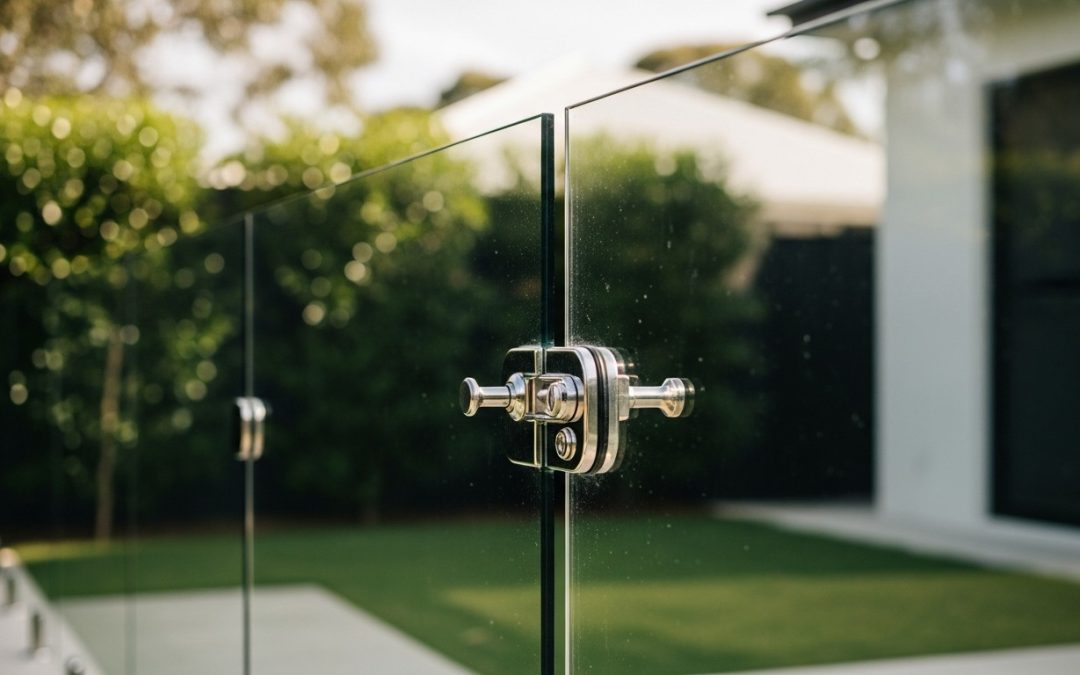
Ensuring the safety of children around swimming pools is a paramount concern for homeowners in Adelaide. While the aesthetic appeal of glass pool fencing is undeniable, its primary function, especially in family homes, revolves around robust child safety features. This article delves into the specific elements of glass pool fencing designed to enhance child safety, building upon the foundational aspects of frameless glass pool fencing discussed in our broader overview found at glassfencinginstallationsadelaide.com.au/frameless-glass-pool-fencing/.
Understanding Adelaide’s Pool Safety Requirements
Adelaide, like all regions in Australia, has stringent regulations governing pool fencing. These regulations are in place to prevent accidental drownings, particularly among young children. For glass pool fencing, meeting these standards involves more than just selecting durable panels; it requires careful attention to the design and functionality of critical safety components. Many situations involve ensuring that every aspect of the fence acts as a barrier, not just a visual deterrent.
Key Child Safety Features in Glass Pool Fencing
Effective child safety in glass pool fencing relies on several integrated features working together to create a secure environment. Ignoring any one of these can compromise the entire system.
Self-Closing and Self-Latching Gates
The gate is often the weakest point in any pool fence if not properly secured. Glass pool fences incorporate sophisticated self-closing and self-latching mechanisms. A properly installed gate will automatically swing shut and engage its latch without manual intervention. Common scenarios include children inadvertently leaving a gate ajar, making this feature indispensable. What usually causes problems is improper alignment or worn-out hinges, which can prevent the gate from closing fully.
- Adjustable Hinges: High-quality hinges allow for precise adjustment, ensuring the gate closes smoothly and consistently every time.
- Spring-Loaded Mechanisms: These mechanisms provide the necessary force for the gate to return to its closed position automatically.
- Reliable Latches: Latches are designed to engage securely, often requiring a specific action (like lifting and pulling) that is difficult for young children to perform.
Non-Climbable Design Elements
The very nature of glass panels contributes significantly to a non-climbable design. Unlike fences with horizontal bars or large gaps, glass presents a smooth, vertical surface that offers no handholds or footholds for a child to scale.
- Smooth, Vertical Panels: The uninterrupted surface of glass panels eliminates climbing aids.
- Minimum Heights: Pool fences in Adelaide must meet specific minimum height requirements, typically 1200mm, making it difficult for children to climb over.
- Gap Minimisation: Regulations dictate maximum permissible gaps between panels and between the bottom of the fence and the ground, usually no more than 10mm. This prevents children from squeezing through or using gaps as leverage.
Gate Latch Placement and Operation
The placement and operation of the gate latch are critical safety considerations. Latches are typically positioned on the inside of the gate, at a height that is out of reach for toddlers and young children, generally at least 1500mm from ground level. Furthermore, the mechanism itself is often designed to be child-resistant, requiring a degree of dexterity or strength that children typically lack.
- Elevated Position: Latches are installed at a height inaccessible to small children.
- Child-Resistant Mechanism: Many latches require a two-step action or a specific grip that is challenging for young hands.
- Inward Opening Gates: Pool gates are designed to open outwards, away from the pool area. This configuration adds an extra layer of safety, as a child pushing against the gate from the pool side would not inadvertently open it.
Material Strength and Durability
The strength of the glass itself is a fundamental safety feature. All glass pool fencing must use toughened or tempered safety glass, which is significantly stronger than regular glass. In the unlikely event of breakage, it shatters into small, blunt fragments rather than sharp shards, reducing the risk of injury. The quality of the spigots and hinges that hold the glass panels in place is also crucial for long-term stability and safety.
- Toughened Safety Glass: Meets Australian Standards for impact resistance and safe breakage.
- Robust Hardware: Stainless steel spigots and hinges provide structural integrity and resistance to corrosion, essential for enduring Adelaide’s climate.
The Role of Professional Installation in Child Safety
Even the highest quality glass pool fencing with all the advanced safety features can be compromised by improper installation. Professional installation ensures that every component is correctly aligned, secured, and compliant with local council regulations. This includes precise measurements for gap distances, correct hinge tension for self-closing gates, and secure fastening of all panels and hardware. An incorrectly installed gate, for example, may not self-latch reliably, creating a significant safety hazard. This is where the experience of fencing installers Adelaide becomes invaluable.
Ongoing Maintenance for Sustained Safety
While glass pool fencing is designed for durability, regular checks are important to ensure its child safety features remain fully functional. This involves periodically inspecting gate hinges for smooth operation, checking latches for secure engagement, and ensuring no gaps have widened due to ground movement or wear. A proactive approach to maintenance helps sustain the integrity of the pool safety barrier.