
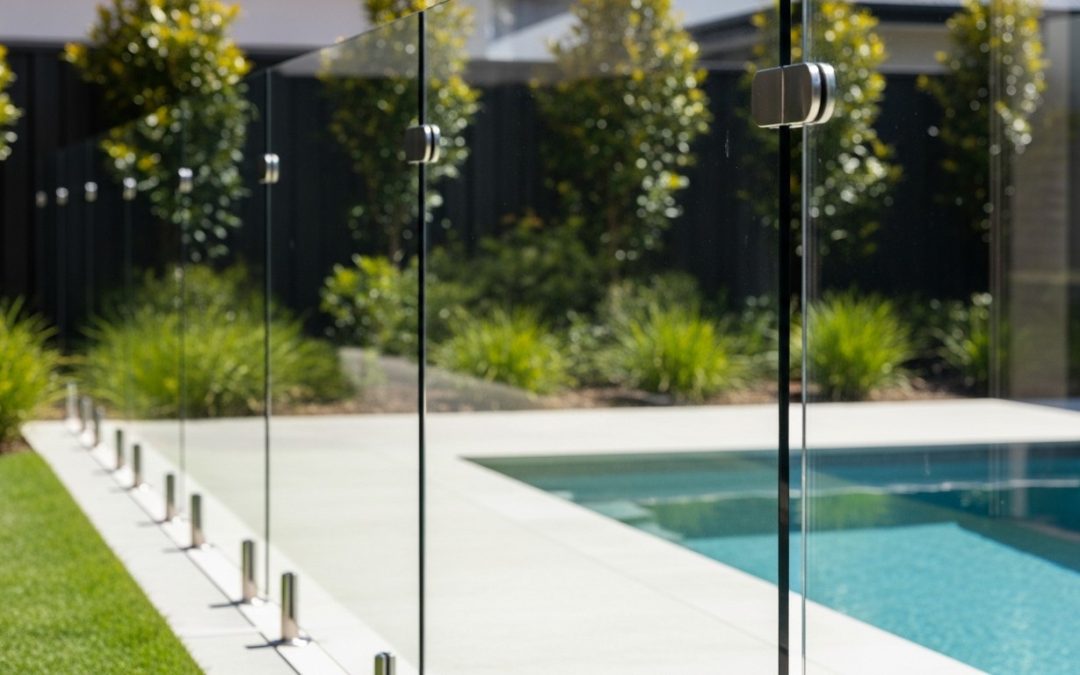
Glass pool fencing offers an elegant and secure solution for pool surrounds, but its successful implementation in Adelaide involves specific considerations beyond just aesthetics. For homeowners planning a new pool or updating an existing one, and for builders undertaking such projects, understanding these nuances is critical to ensure compliance, safety, and longevity. This discussion focuses specifically on the practicalities and common factors influencing glass pool fencing projects within the Adelaide region.
Navigating Adelaide’s Specific Requirements for Glass Pool Fencing
Installing glass pool fencing in Adelaide isn’t just about selecting a design; it’s about adhering to South Australian regulations and ensuring the installation meets local standards. The primary legislation governing pool safety barriers in South Australia is the Development Act 1993 and the associated Development Regulations 2008, which incorporate aspects of the Australian Standard AS 1926.1-2012 (Safety barriers for swimming pools). These regulations dictate critical elements like fence height, gate self-closing mechanisms, latching requirements, and non-climbable zones.
What often causes issues is a misinterpretation of these regulations, leading to non-compliant installations that may require costly rectification. For instance, the minimum height for a pool barrier is generally 1200mm from the finished ground level. However, specific scenarios, such as boundary fences forming part of the barrier, or situations where climbable objects are near the fence, introduce additional rules that need careful assessment. Professional understanding of these intricacies is paramount to avoid delays and ensure the safety of children around the pool area. When installing glass pool fencing, it’s not just about the glass panels themselves, but how they integrate with the surrounding environment to form a compliant barrier.
Material Quality and Durability in Adelaide’s Climate
The choice of materials for glass pool fencing significantly impacts its durability and safety, especially when considering Adelaide’s diverse weather conditions, from hot summers to cooler, wetter winters. Generally, glass panels used for pool fencing are made from toughened (tempered) safety glass, typically 10mm or 12mm thick. This type of glass is designed to withstand impact and, if it breaks, shatters into small, relatively harmless pieces, reducing injury risk.
Beyond the glass itself, the quality of the hardware is equally important. Spigots, hinges, and latches should be made from high-grade materials, such as marine-grade stainless steel (316 grade), to resist corrosion from pool chemicals, salt exposure (especially for coastal Adelaide properties), and general weathering. Inferior hardware can corrode, weaken, and compromise the structural integrity of the fence over time, potentially leading to safety failures. Selecting robust materials is a key part of ensuring your pool fencing Adelaide remains safe and visually appealing for years.
Precision in Installation: Avoiding Common Pitfalls
The longevity and compliance of glass fencing installations hinge on meticulous installation. Even with the highest quality materials, a poorly installed fence can be unsafe and non-compliant. Here are some common areas where precision is vital:
- Accurate Measurements: Precise measurements are fundamental. Any miscalculation can lead to uneven panels, gaps that fail to meet safety standards, or issues with gate alignment.
- Ground Preparation: The surface where the spigots or posts are anchored must be stable and level. Inadequate ground preparation, whether on concrete, decking, or natural ground, can result in panels shifting, compromising stability.
- Gate Alignment and Functionality: Pool gates are the most critical component for safety. They must self-close and self-latch from any open position, and the latch release mechanism must be positioned out of reach of small children. Improper alignment or faulty hinges can prevent the gate from functioning correctly, creating a significant safety hazard.
- Panel Spacing: Gaps between glass panels and between the bottom of the panels and the ground must adhere to specific maximum dimensions to prevent children from squeezing through or crawling under.
These details are not just about aesthetics; they are directly linked to the fence’s ability to act as a secure barrier. Engaging experienced fencing installers Adelaide who understand these nuances is crucial for a compliant and durable outcome. While a full context on broader pool safety is available elsewhere, focusing on these specific installation aspects is key to a successful glass pool fencing project.
Ensuring Long-Term Pool Safety with Glass Fencing
The ultimate goal of any pool fencing project is enhanced pool safety. While glass fencing offers an unobstructed view and a modern aesthetic, its primary function as a safety barrier cannot be overstated. Regular inspections post-installation are often recommended to ensure that all components, especially gates and latches, continue to function as intended. Environmental factors, ground movement, or even minor impacts can affect the integrity of the fence over time.
Understanding that glass pool fencing is an investment in both property value and, more importantly, safety, prompts a thorough approach to its selection and installation. From initial planning to final inspection, attention to Adelaide’s specific regulations, material quality, and installation precision will ensure a reliable and visually appealing pool area for years to come.