
TL;DR: Glass pool fencing offers a blend of safety, unobstructed views, and modern aesthetics for Adelaide pool owners and builders. Understanding local regulations, choosing the right style like frameless or semi-frameless, and prioritizing professional installation are key to achieving a durable and compliant result that elevates any outdoor space.
The Appeal of Glass Pool Fencing in Adelaide’s Outdoor Spaces
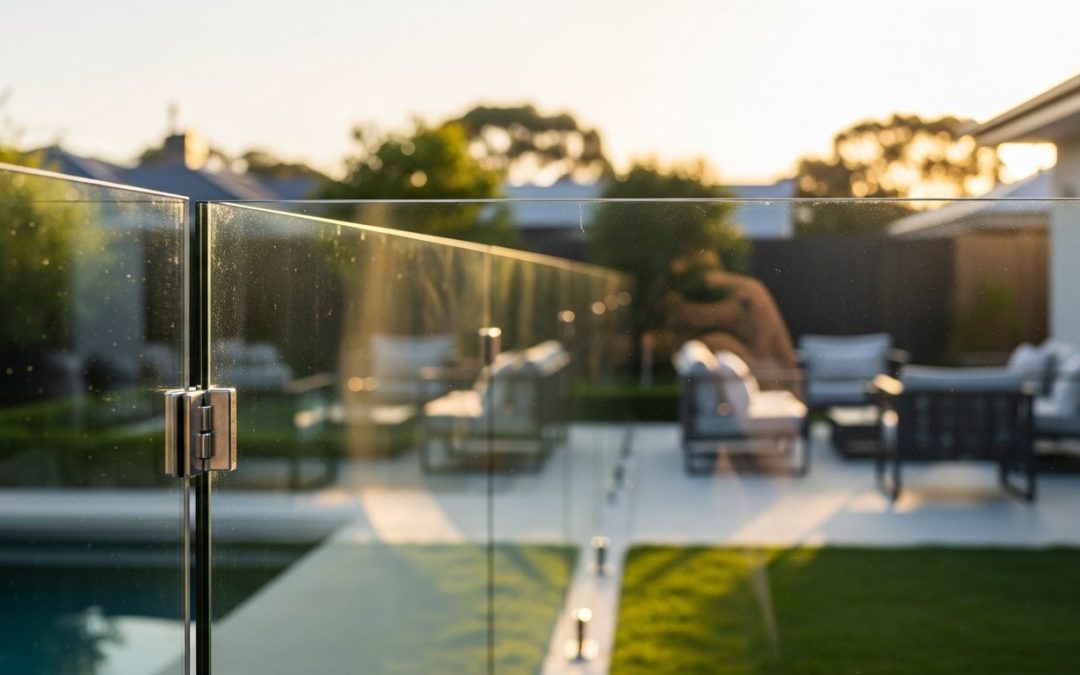
For homeowners across Adelaide, a swimming pool represents more than just a place to cool off; it’s often a central feature of their outdoor living area. The choice of pool fencing plays a significant role in both safety and aesthetics. Glass pool fencing has emerged as a preferred option, primarily because it offers a clear line of sight, which is invaluable for supervising children and pets, and maintains the visual flow of a landscaped garden or modern architectural design.
In cases where a pool area borders a beautiful garden or offers scenic views, traditional fencing can create visual barriers. Glass fencing, conversely, allows these elements to remain visible, making the pool feel integrated rather than enclosed. This transparency is particularly appealing in Adelaide’s varied suburban and coastal settings, where maximizing outdoor enjoyment is often a priority.
Understanding Glass Pool Fencing Options and Their Implications
When considering glass pool fencing for an Adelaide property, there are generally two primary styles: frameless and semi-frameless. Each has distinct characteristics that influence both appearance and installation considerations.
- Frameless Glass Pool Fencing: This style features thick, toughened glass panels secured by discreet spigots (small clamps) fixed to the ground. The absence of vertical posts between panels creates a truly uninterrupted view. What often causes issues is improper installation of these spigots, leading to instability or misalignment over time. For a seamless look, careful planning for drainage and ground leveling is crucial.
- Semi-Frameless Glass Pool Fencing: With this option, glass panels are held in place by slim metal posts, typically aluminium or stainless steel. This provides a robust structure while still offering significant transparency compared to solid fences. When X applies, Y is common: if budget is a tighter constraint, semi-frameless can be a more cost-effective solution while still delivering a modern aesthetic. It’s important to ensure the posts are of high-quality, corrosion-resistant material, especially given Adelaide’s sometimes salty coastal air.
The choice between these styles often comes down to budget, desired aesthetic, and site-specific conditions. Both options, when installed correctly, meet the stringent pool safety regulations applicable in South Australia.
Installation Considerations for Adelaide Properties
Proper installation of glass pool fencing isn’t just about aesthetics; it’s fundamentally about safety and compliance with local regulations. In Adelaide, all pool fences must adhere to the rules set out by the Planning, Development and Infrastructure Act 2016 and the South Australian Development Regulations 2008. These regulations cover aspects like fence height, gate latching mechanisms, and the absence of climbable objects near the fence.
A common pitfall for homeowners or builders undertaking DIY installations is misinterpreting these regulations, which can result in non-compliant fencing and potential safety hazards. Professional installation by experienced fencing installers Adelaide ensures that all aspects, from panel spacing to gate hardware, meet the required standards. This includes understanding the specific requirements for different types of pool fencing installations, whether it’s on a paved area, decking, or directly into the ground.
The integrity of the installation relies heavily on the foundation. For frameless glass pool fencing, the spigots must be securely anchored into a suitable substrate, whether that’s concrete, timber decking with appropriate reinforcement, or a robust paving system. Incorrect anchoring can compromise the stability of the entire fence, especially under wind load or accidental impact. This is where the experience of a dedicated glass fencing installations team becomes invaluable, ensuring the structure is sound and durable.
Maintaining Your Glass Pool Fence
One of the advantages of glass pool fencing is its relatively low maintenance. However, regular cleaning is essential to preserve its pristine appearance and ensure long-term clarity. Dust, fingerprints, water spots, and environmental residues can accumulate on the glass. A simple routine using mild detergent and a soft cloth or squeegee can keep the panels sparkling. For more stubborn marks, specialized glass cleaning products are available.
Beyond cleaning the glass itself, it’s also important to periodically inspect the hardware. For semi-frameless fences, check the posts for any signs of corrosion or loosening. For frameless systems, inspect the spigots to ensure they remain tightly secured. Gate hinges and latches should also be checked for smooth operation and proper self-closing and self-latching functionality, which is a critical aspect of pool safety. Addressing minor issues promptly can prevent them from becoming larger, more costly problems down the line, ensuring the longevity and continued safety of your glass fencing.