
TL;DR
Glass pool fencing offers a blend of safety and aesthetics for Adelaide homeowners. It provides clear views, complies with local safety standards when installed correctly, and is durable with proper maintenance. Professional installation is key for ensuring compliance and long-term performance.
The Appeal of Glass Pool Fencing in Adelaide Homes
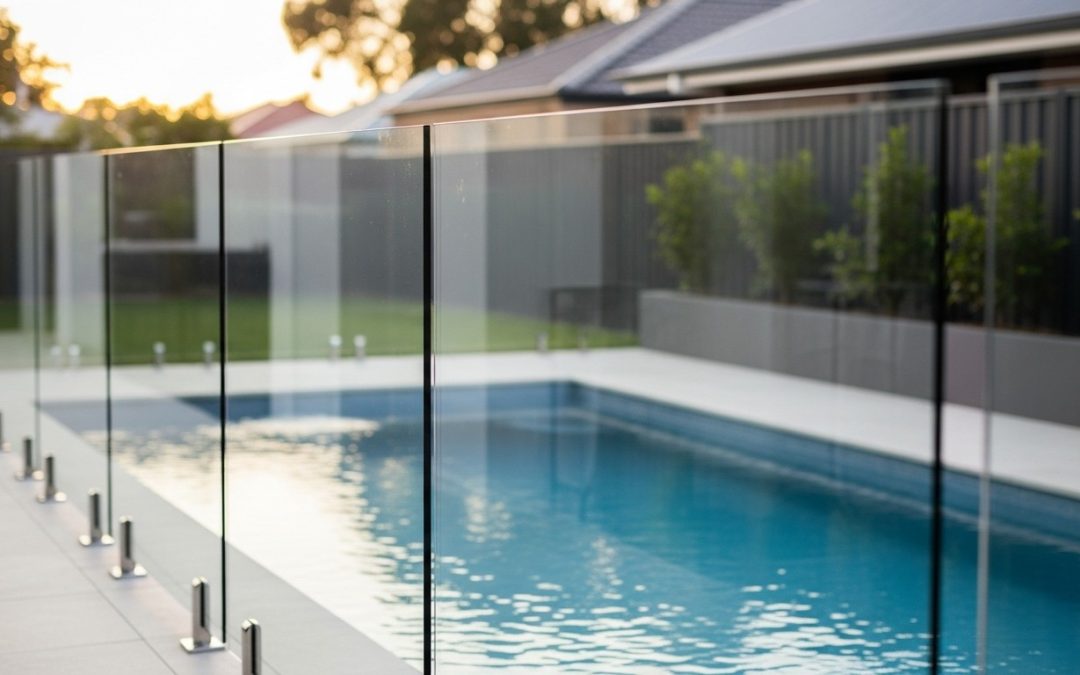
For many Adelaide homeowners, the appeal of a swimming pool lies not just in recreation but also in its contribution to the outdoor living space. Glass pool fencing presents a solution that marries essential safety requirements with an unhindered view of the pool and surrounding landscape. Unlike more traditional barrier options, glass panels offer transparency, creating an open and spacious feel in your backyard.
When considering pool fencing, the aesthetic impact is often a significant factor. Glass options, whether semi-frameless or fully frameless, can seamlessly integrate with modern architectural styles common in Adelaide, enhancing the property’s overall look. The clean lines and minimal visual obstruction can make a smaller yard feel larger and maintain the flow of design from indoor living areas to the outdoor entertainment space.
Meeting Safety Compliance in South Australia
Compliance with Australian Standards AS1926.1 and local South Australian regulations is paramount for any pool fence installation. Glass pool fencing, when correctly designed and installed, meets these strict safety requirements. This includes specific panel heights, gate latching mechanisms, and the strength of the glass itself.
A common pitfall homeowners face is attempting DIY installation or choosing installers without sufficient experience. Incorrect gaps between panels, improper gate alignment, or inadequate fixing to the ground can all lead to non-compliance, risking safety and potential fines. For builders and renovators in Adelaide, understanding these precise requirements is crucial to ensure project handover is smooth and compliant.
- Panel Heights: Typically, a minimum height of 1200mm from finished ground level is required.
- Gate Operation: Gates must be self-closing and self-latching from any open position, with latches positioned at a specific height to prevent young children from reaching them.
- Gap Spacing: Gaps between panels, and between the bottom of the panels and the ground, must not exceed 100mm to prevent child access.
Durability and Longevity Factors
The glass used in pool fencing is typically toughened safety glass, designed to withstand impacts and resist breakage. This material choice contributes to the longevity of the fence, even in Adelaide’s varying climate conditions. Unlike some other materials, glass does not rot, rust, or require repainting.
The supporting hardware, such as spigots and hinges, also plays a critical role in durability. High-quality stainless steel components are essential to resist corrosion, especially in areas closer to the coast where salt spray might be a factor. When choosing a system, understanding the grade of stainless steel used can provide insight into its expected lifespan and performance.
Maintenance Considerations for Glass Fencing
While glass fencing is generally low maintenance, it does require periodic cleaning to retain its clear appearance. Dust, leaves, and water spots are common occurrences. Regular cleaning with appropriate glass cleaners and soft cloths can keep the panels sparkling. Some homeowners also opt for protective coatings that can reduce water spotting and make cleaning easier.
For the hardware, occasional checks for tightness and signs of wear are advisable. This proactive approach can help identify potential issues before they become significant, ensuring the fence remains secure and functional over time. When X applies, Y is common: When the fencing is near garden beds, regular clearing of debris from the base of the panels is common to prevent staining or build-up.
The Importance of Professional Installation
The structural integrity and safety compliance of glass pool fencing heavily depend on professional installation. Experienced installers understand the nuances of site preparation, precise panel alignment, and secure fixing methods. This is particularly important around pools where the ground may not be perfectly level or where specific landscaping features need to be accommodated.
In cases where the fence needs to integrate with existing structures, such as house walls or retaining walls, an installer with a deep understanding of structural requirements can ensure that all connections are secure and compliant. What often causes issues is improper measurement and leveling, leading to panels that don’t align correctly or gates that don’t close securely, compromising the entire barrier’s effectiveness.
Addressing Common Concerns
One common concern is the strength of glass panels. Toughened safety glass is engineered to be robust. If it does break, it shatters into small, relatively harmless pieces, rather than large, sharp shards. Another concern relates to heat retention; while glass can get warm in direct sun, it typically doesn’t retain heat to the extent that it poses a burn risk in the same way some metal fences might.
For builders, understanding the installation timeline and coordination with other trades is key. A professional glass fencing installer can provide clear schedules and work efficiently to meet project deadlines, ensuring the pool area is safe and ready for use as planned.
Conclusion
Choosing glass pool fencing for your Adelaide property offers a sophisticated and secure barrier solution. Its ability to provide unobstructed views while meeting stringent safety standards makes it a popular choice for homeowners and a reliable option for builders and renovators. Focusing on quality materials and professional installation ensures both the aesthetic appeal and the long-term safety of your pool area.