
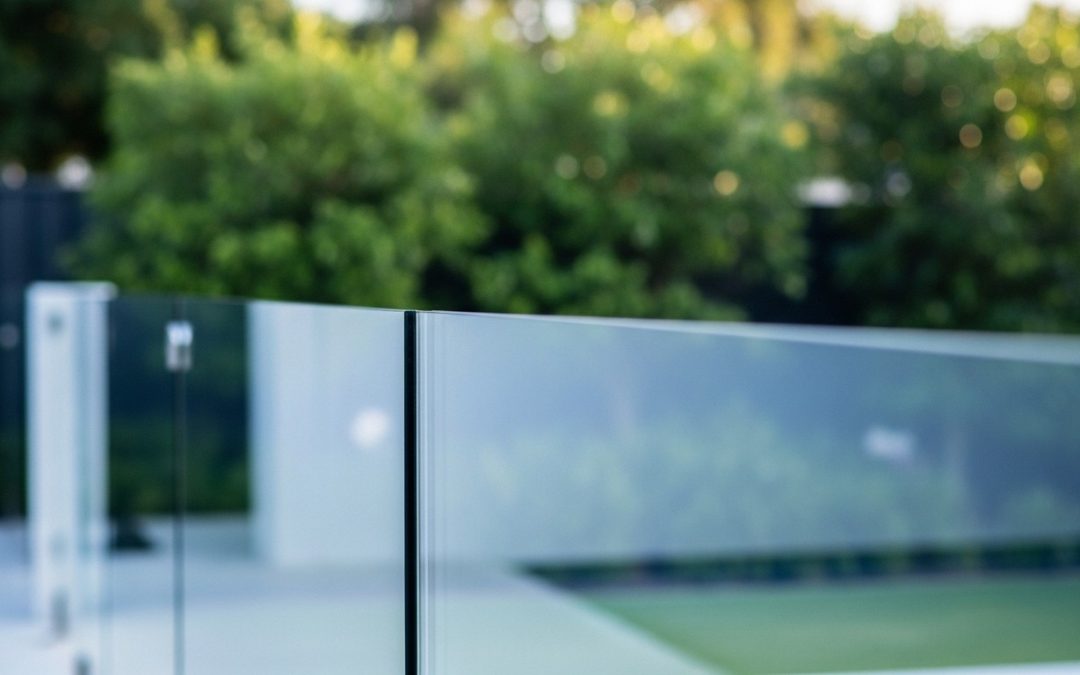
When planning or upgrading a swimming pool in Adelaide, understanding the specific requirements and benefits of glass pool fencing is crucial. This type of fencing offers a blend of safety and aesthetic appeal, but navigating the choices and installation processes involves several important considerations. This article focuses on these key aspects, providing insights into what homeowners, builders, and renovators in Adelaide should keep in mind. For a broader understanding of all pool fencing options, additional resources are available.
TL;DR
Glass pool fencing in Adelaide requires careful consideration of local safety regulations, material quality, and professional installation. Key factors include adherence to Australian Standards, choosing between frameless or semi-frameless designs, ensuring proper panel thickness, and engaging experienced installers to guarantee both compliance and long-term durability. Maintenance is straightforward, primarily focusing on regular cleaning to preserve clarity.
Understanding Local Regulations for Pool Fencing in Adelaide
Any pool fencing project in Adelaide must comply with strict Australian Standards (AS 1926.1-2012) and local council bylaws. These regulations are designed to prevent unsupervised access by young children to swimming pools. Ignorance of these rules can lead to significant safety risks and potential penalties. What often causes issues is overlooking specific requirements for gate latch heights, gap tolerances, and the non-climbable zones around the fence. For instance, gate hinges must be self-closing and self-latching from any open position, and the latch release mechanism needs to be at least 1500mm from ground level. When X applies, Y is common – when a fence height is just under the minimum, it’s common for it to fail inspection, necessitating costly rework.
The Importance of Australian Standards Compliance
Compliance is not just about meeting a checklist; it’s about ensuring the safety of loved ones and visitors. The standards dictate various elements, including the minimum fence height (typically 1200mm from finished ground level), the maximum gap under the fence (100mm), and the spacing between vertical elements. With glass fencing, the focus shifts to panel integrity and secure fixings. In cases where existing structures like walls or sheds form part of the barrier, their suitability must also be assessed against these same rigorous standards.
Choosing the Right Glass Pool Fencing Style
Adelaide homeowners and builders have two primary styles of glass pool fencing: frameless and semi-frameless. Each offers distinct aesthetic and structural characteristics that can influence the overall look and feel of a pool area. The choice often comes down to budget, design preference, and the specific site conditions.
Frameless Glass Fencing
Frameless glass fencing provides an unobstructed view, creating a seamless transition between the pool area and its surroundings. The glass panels are typically thicker (10mm or 12mm toughened safety glass) and are secured by spigots anchored into the ground. This style offers maximum transparency and a modern, luxurious appearance. What often causes issues is improper spigot installation, which can compromise the fence’s structural integrity. When selecting frameless glass fencing, ensure the spigots are marine-grade stainless steel to withstand Adelaide’s climate.
Semi-Frameless Glass Fencing
Semi-frameless glass fencing uses thinner glass panels (typically 8mm or 10mm) supported by posts, usually made of aluminium or stainless steel. While it doesn’t offer the completely uninterrupted view of frameless options, it still provides a clean, modern look at a potentially lower cost. The posts add a visible element, but they can also offer additional structural stability in certain installations. In cases where budget is a significant factor, semi-frameless options provide an excellent balance of safety, aesthetics, and affordability for pool fencing Adelaide projects.
Professional Installation for Safety and Durability
The longevity and safety of glass pool fencing depend heavily on the quality of its installation. It’s not merely about placing panels; it involves precise measurements, correct anchoring, and adherence to structural engineering principles. Engaging experienced fencing installers Adelaide is critical.
Why Expert Installation Matters
An improperly installed glass fence can fail to meet safety standards, leading to potential hazards. Common pitfalls include uneven panel alignment, inadequate spacing, and insecure fixings that could loosen over time. Experienced installers understand the nuances of different ground types, the necessary drainage considerations, and the specific requirements for various gate mechanisms. They can also advise on optimal layouts that maximize both safety and visual appeal. When it comes to glass fencing installations, precision is paramount to prevent future issues.
- Site Assessment: Proper assessment of the ground, existing structures, and potential obstacles.
- Precise Measurement: Accurate measurements are essential for custom-cut panels and correct gap tolerances.
- Secure Anchoring: Ensuring spigots or posts are firmly anchored into concrete or other suitable substrates.
- Panel Alignment: Meticulous alignment of glass panels for aesthetic appeal and structural integrity.
- Gate Functionality: Correct installation and calibration of self-closing, self-latching gates.
Maintaining Your Glass Pool Fence
One of the appealing aspects of glass pool fencing is its relatively low maintenance. However, regular care is still necessary to keep it looking its best and to ensure its continued safety and clarity.
Cleaning and Care Tips
The primary maintenance task for glass pool fencing is cleaning. Regular cleaning prevents the buildup of dirt, grime, and mineral deposits, especially from pool water splashes. Using a soft cloth or squeegee with a mild detergent or specialized glass cleaner is usually sufficient. Avoid abrasive cleaners or harsh chemicals that could scratch the glass or damage the hardware. What often causes issues is neglecting regular cleaning, leading to stubborn water spots that become harder to remove. When X applies, Y is common – when pool chemicals are used near the fence, it’s common to see etching on the glass if not rinsed promptly. Periodically, check all fixings, hinges, and latches to ensure they remain secure and functional, contributing to overall pool safety.
Frequently Asked Questions About Glass Pool Fencing
Q: Is glass fencing suitable for all pool shapes?
Q: How long does glass pool fencing last?
Q: Can I install glass pool fencing myself?
People Also Ask About Glass Pool Fencing
What are the benefits of glass pool fencing?
Beyond visibility, glass fencing is durable and resistant to corrosion, especially when marine-grade stainless steel hardware is used. Its modern appearance can significantly enhance property value and appeal, making it a popular choice for contemporary homes in Adelaide.
How much does glass pool fencing cost?
Generally, frameless glass fencing is a higher investment due to thicker glass and more complex installation methods compared to semi-frameless options. It is advisable to obtain detailed quotes from local providers to understand the specific costs for your project in Adelaide.
Can glass pool fencing withstand strong winds?
Compliance with Australian Standards includes provisions for structural integrity under various environmental conditions. An experienced installer will assess your site’s specific wind exposure and recommend appropriate glass thickness and fixing methods to ensure durability against Adelaide’s weather.
What’s the difference between toughened and laminated glass?
For pool fencing, toughened glass is the standard due to its high strength and safety characteristics upon breakage. Laminated glass is generally used where even greater security or acoustic properties are required, such as in balustrades or specific architectural applications, but less common for standard pool barriers.
Are glass pool fences easy to clean?
Routine cleaning with a soft cloth or squeegee and a mild glass cleaner is usually sufficient to remove water spots and general build-up. Avoiding harsh chemicals or abrasive materials will help preserve the glass’s clarity and prevent damage over time.