
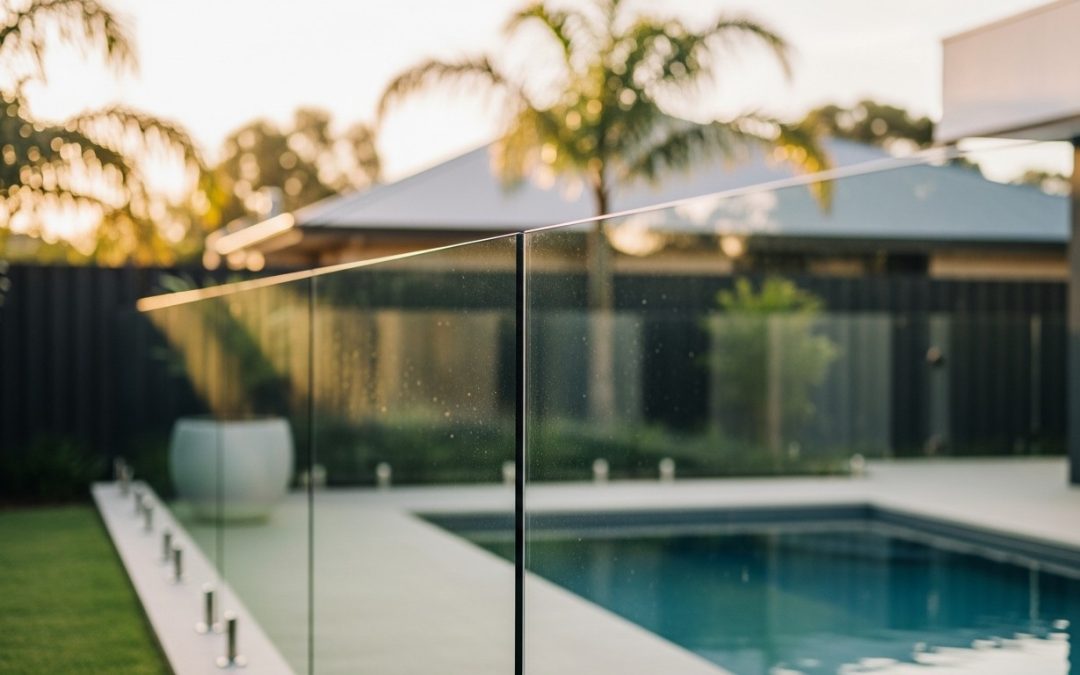
Glass pool fencing offers a blend of safety and unobstructed views, making it a popular choice for many Adelaide homeowners. For those planning a new pool or upgrading an existing one, understanding the specific considerations involved is crucial for both compliance and long-term satisfaction. This page focuses on practical aspects of installing glass pool fencing, acknowledging that broader details on various fencing options are available elsewhere.
Understanding Glass Pool Fencing for Adelaide Homes
When considering glass pool fencing in Adelaide, the primary goal is to achieve a secure barrier that meets Australian Standards (AS 1926.1) while complementing the home’s aesthetic. The transparency of glass allows for clear sightlines to the pool area, which is a significant safety advantage, especially for families with children. However, this visual appeal must be paired with robust structural integrity and professional installation.
Why Glass Fencing in Adelaide?
The choice of glass fencing in Adelaide often stems from a desire for a modern, sophisticated look that doesn’t detract from the landscaping or pool design. Unlike opaque barriers, glass creates an open, expansive feel, which can be particularly beneficial in smaller outdoor spaces common in urban Adelaide properties. Beyond aesthetics, the inherent strength of toughened safety glass, when properly installed, provides a durable and compliant barrier against unsupervised access to the pool.
Types of Glass Pool Fencing
There are generally two main types of glass pool fencing to consider, each with distinct installation characteristics:
- Frameless Glass Fencing: This option uses thick, toughened glass panels secured by stainless steel spigots fixed directly into the ground or a suitable substrate. The absence of visible frames maximizes the seamless look, offering the most unobscured views. Installation requires precise measurements and careful alignment of each panel to ensure stability and safety, often relying on core-drilled spigots for maximum strength.
- Semi-Frameless Glass Fencing: This style incorporates glass panels held by posts, typically made of aluminum or stainless steel, positioned between each panel. While it offers a slightly less seamless look than frameless, it still provides excellent visibility and a contemporary aesthetic. Semi-frameless systems can sometimes offer a more straightforward installation process depending on the site, as the posts provide additional structural support.
Key Installation Considerations for Pool Fencing in Adelaide
Proper installation is paramount for glass pool fencing, directly impacting its safety, compliance, and longevity. Several factors need careful consideration:
- Compliance with AS 1926.1: All pool fencing in Australia, including glass, must adhere to this standard. This covers aspects like fence height (minimum 1.2m from finished ground level), gate self-closing and self-latching mechanisms, and non-climbable zones. Incorrect spacing between panels or from the ground can lead to non-compliance, which can have serious consequences.
- Ground Conditions and Preparation: The type of ground where the fencing will be installed significantly affects the approach. For concrete slabs, core-drilling for spigots or posts is common. For paved areas, the paving often needs to be removed and reinstated around the spigots. On natural ground, a concrete footing may be necessary to provide a stable base. What often causes issues is inadequate ground preparation, leading to unstable panels or future subsidence.
- Drainage and Water Runoff: Ensuring proper drainage around the base of the fence is important to prevent water pooling, which can affect the longevity of hardware components, especially in areas prone to heavy Adelaide rains.
- Gate Placement and Hardware: Gates are a critical component of any pool fence. They must be self-closing and self-latching from any open position, with latches positioned at a compliant height. High-quality stainless steel hinges and latches are essential for resisting corrosion and ensuring reliable operation over time.
- Professional Expertise: Given the precision required for glass panel alignment, adherence to safety standards, and the handling of heavy glass, professional installation is often advisable. In cases where DIY installation is attempted without sufficient experience, what often causes issues is improper leveling, incorrect hardware choice, or failure to meet local council regulations, potentially leading to costly rectification or safety hazards.
Maintenance and Longevity
While glass pool fencing is relatively low maintenance, regular cleaning is necessary to maintain its pristine appearance, especially in dusty or coastal Adelaide environments. Using appropriate glass cleaners and soft cloths helps prevent streaks and scratches. Periodically checking hinges and latches for smooth operation and any signs of wear is also a good practice to ensure the fence remains a secure barrier.