
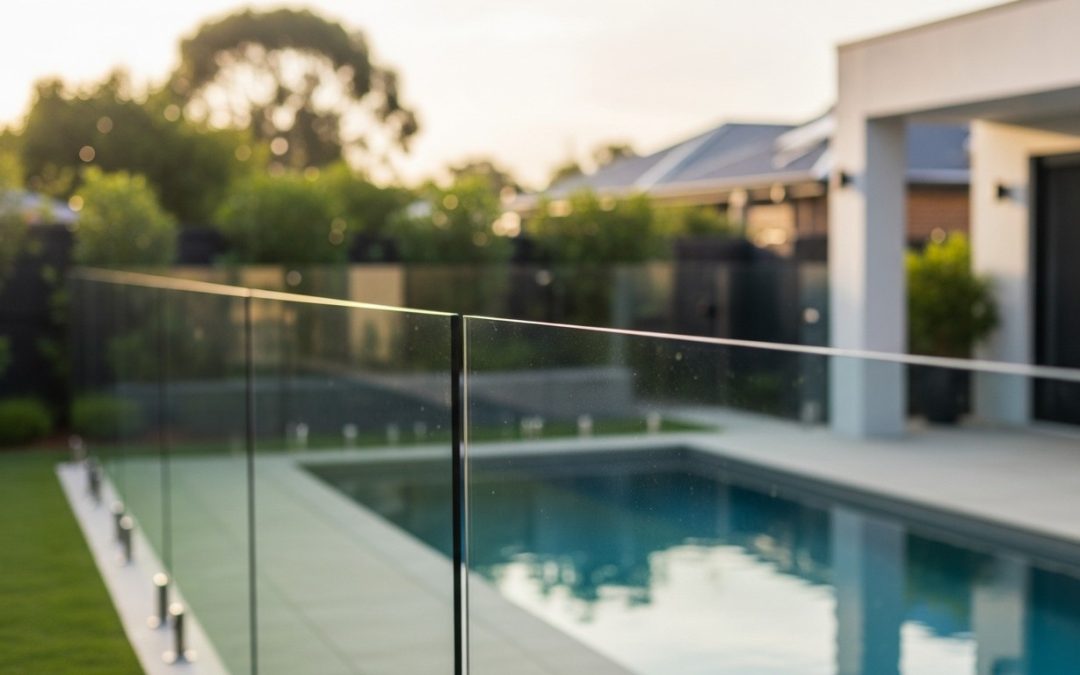
When planning a new swimming pool or updating an existing one in Adelaide, the choice of fencing is a significant decision. Glass pool fencing offers a blend of safety and unobstructed views, making it a popular option for many homeowners and a crucial component for builders and renovators. Understanding the specific considerations for glass pool fencing in the Adelaide context can help ensure a compliant, durable, and aesthetically pleasing outcome. This page focuses on practical aspects of glass pool fencing; for broader context on pool safety and fencing types, additional resources are available.
Understanding Local Regulations for Pool Fencing in Adelaide
Adelaide, like all regions in Australia, has stringent regulations governing pool safety barriers. These regulations are primarily designed to prevent unsupervised access to swimming pools, particularly by young children. For glass pool fencing, this means adherence to specific heights, gap allowances, gate self-latching mechanisms, and material strength. What often causes issues is a misunderstanding of these requirements, leading to potential delays or costly rectifications during inspection. For example, the distance between the bottom of the fence and the ground, or between individual glass panels, must be within prescribed limits to prevent a child from crawling under or through. Similarly, gates must open outwards from the pool area and automatically latch from any open position without manual assistance. Builders and homeowners need to be aware that even slight deviations can result in non-compliance.
The Role of Professional Installation in Compliance and Durability
While the aesthetic appeal of glass pool fencing is undeniable, its primary function is safety. The integrity of the installation is paramount. In cases where a DIY approach is attempted without a thorough understanding of structural requirements and local council regulations, the risk of non-compliance and potential safety hazards increases significantly. Professional installation involves precise measurements, correct fitting of hardware, and an understanding of load-bearing capacities for different types of glass and mounting systems. For instance, frameless glass systems rely heavily on the strength and correct placement of spigots or channels, which need to be securely anchored into a suitable substrate. When X applies, such as uneven ground or complex pool shapes, Y is common, meaning custom-cut panels and specialized installation techniques are often required to maintain consistent gaps and ensure structural stability. A correctly installed fence minimizes movement, resists environmental factors like wind, and provides the necessary barrier for years.
Aesthetic Integration and Material Choices for Adelaide Homes
Glass pool fencing is often chosen for its ability to blend seamlessly with a home’s architecture and landscaping, preserving views of the pool and garden. There are generally two main types: semi-frameless and frameless. Semi-frameless systems typically use posts between glass panels, often made from aluminium, offering a robust yet still visually light barrier. Frameless systems, however, utilize robust glass panels secured by spigots at the base or channels, providing a truly uninterrupted view. The choice between these depends on budget, desired aesthetic, and specific site conditions. For example, a frameless system might be preferred for properties with expansive views where visual obstruction is to be minimized. Considerations extend to the type of glass itself; toughened safety glass, typically 10mm or 12mm thick, is standard for pool fencing due to its strength and safety properties if it were to break. The hardware, including hinges and latches, also plays a crucial role not only in function but also in contributing to the overall look. Stainless steel options are common in Adelaide due to their durability and resistance to corrosion, especially in coastal areas.
Maintenance Expectations for Glass Pool Fencing
While glass pool fencing is known for its low visual impact, it does require regular cleaning to maintain its pristine appearance. Dust, fingerprints, water spots, and environmental residues can accumulate on the glass. The frequency of cleaning often depends on the pool’s usage, proximity to gardens, and local weather conditions. What often causes issues is neglecting cleaning, which can lead to mineral buildup from sprinklers or hard water, making the glass harder to clean over time. Regular wiping with a soft cloth and appropriate glass cleaner is generally sufficient. For hardware, occasional inspection and cleaning of hinges and latches can help ensure smooth operation and prevent wear. In cases where hardware shows signs of wear or corrosion, timely replacement can prevent larger issues. The long-term durability of glass pool fencing in Adelaide often comes down to the quality of the initial materials and the care taken in its upkeep.