
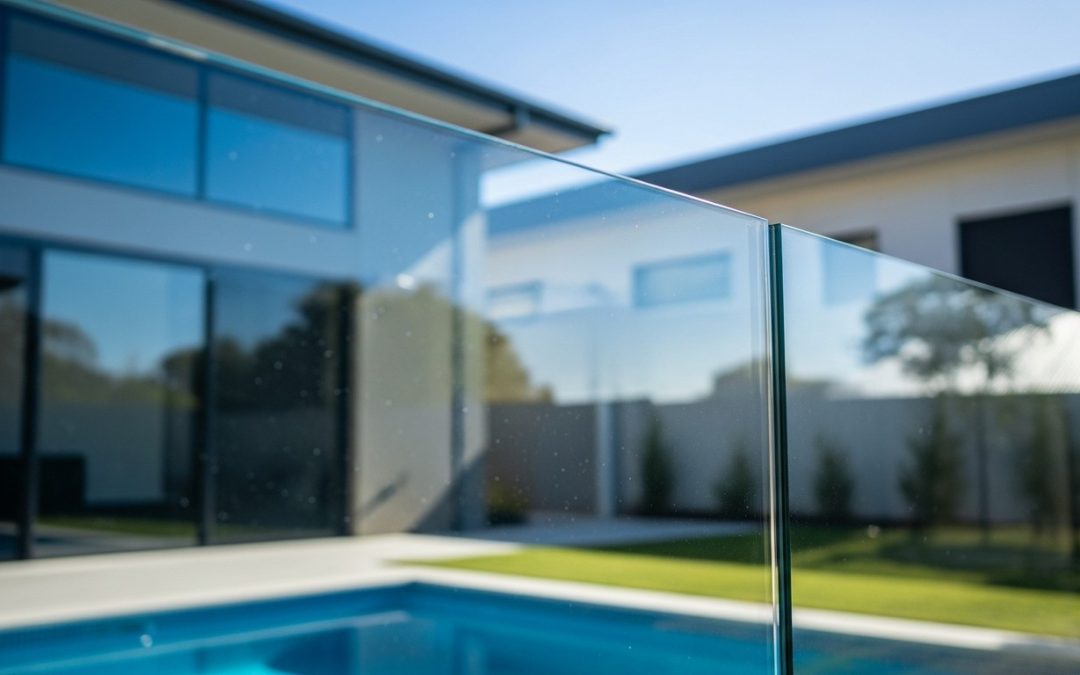
Glass pool fencing offers a sleek, modern aesthetic and crucial safety for swimming pools across Adelaide. While its visual appeal and barrier function are clear, homeowners planning an installation, and builders integrating it into projects, often encounter specific challenges. Understanding these can help ensure a durable, compliant, and visually appealing result. This discussion focuses on common scenarios and considerations for glass pool fencing, with full context on broader topics available elsewhere.
Understanding Adelaide’s Environment and Site Specifics
Adelaide’s climate and varied terrain present unique factors for glass pool fencing. High summer temperatures can affect materials during installation, while the region’s soil types, from clay to sandy loam, demand careful consideration for footing stability. What often causes issues is inadequate site assessment, leading to problems later on. For instance, uneven ground or sloping blocks require precise planning for panel heights and alignments, which can increase complexity.
When X applies, Y is common: When installing glass fencing on an existing concrete slab, assessing the slab’s integrity and levelness is essential. A slab that isn’t perfectly level can complicate panel alignment and potentially stress the glass or hardware over time. Similarly, areas prone to strong winds may necessitate specific hardware or installation techniques to ensure the fence remains robust against environmental pressures.
Installation Precision and Hardware Selection
The very nature of glass pool fencing demands a high degree of precision during installation. Unlike other fencing types, glass panels have minimal tolerance for error in alignment. Issues can arise from:
- Substrate Preparation: Proper preparation of the mounting surface is paramount. For spigot-mounted frameless systems, the concrete footing or deck must be perfectly level and strong enough to support the glass panels securely.
- Panel Alignment: Achieving perfectly straight and evenly spaced panels is crucial for both aesthetics and safety. Minor discrepancies can be visually jarring and, in some cases, compromise the integrity of the barrier.
- Hardware Quality: The choice of hardware, such as spigots, hinges, and latches, significantly impacts the fence’s longevity and safety. Using marine-grade stainless steel is often preferred in Adelaide’s environment, particularly near coastal areas, to resist corrosion. Substandard hardware can corrode prematurely, leading to aesthetic degradation and potential safety failures.
- Drainage Considerations: Around spigots and base-plated systems, ensuring adequate drainage is important. Water pooling around hardware can accelerate corrosion and potentially compromise the structural integrity over time.
Navigating Regulatory Compliance in South Australia
For any pool fencing in Adelaide, compliance with Australian Standard AS1926.1 and local council regulations is non-negotiable. What often causes issues is a misunderstanding of specific requirements, which can vary slightly or be interpreted differently. Common pitfalls include:
- Gate Compliance: Pool gates must be self-closing and self-latching from any open position. The latch release mechanism must be located at a height that prevents young children from operating it. Incorrect gate installation is a frequent cause of non-compliance.
- Climbable Objects: Ensuring there are no climbable objects within 900mm of the fence, both inside and outside the pool area, is a critical but often overlooked requirement. This includes garden beds, BBQs, and even tree branches.
- Panel Gaps: The maximum allowable gap beneath the fence and between panels must be strictly adhered to. Gaps that are too wide can allow a child to pass through, rendering the fence non-compliant and unsafe.
When X applies, Y is common: When renovating an existing pool area, homeowners might accidentally introduce new climbable elements or alter the ground level, inadvertently affecting compliance. It’s essential to review the entire pool area, not just the fence itself.
Maintenance Expectations and Pitfalls
While glass pool fencing is relatively low maintenance, it’s not maintenance-free. What often causes issues is neglecting routine cleaning and inspection, which can lead to a buildup of dirt, grime, and mineral deposits, especially from bore water or sprinklers. This not only detracts from the fence’s appearance but can also make cleaning more challenging later on.
Common maintenance pitfalls include:
- Using abrasive cleaners that can scratch the glass or damage hardware finishes.
- Ignoring loose hardware or stiff hinges, which can compromise the fence’s safety function over time.
- Failing to regularly check the self-closing and self-latching mechanisms of the gate for proper operation.
In cases where proper cleaning is neglected, mineral deposits can etch into the glass, requiring professional restoration or even panel replacement. Regular, gentle cleaning with appropriate products can largely prevent these issues.
Consequences of Improper Installation
The consequences of improper glass pool fencing installation can range from aesthetic dissatisfaction to serious safety hazards and legal non-compliance. A poorly installed fence may not meet safety standards, potentially putting children at risk. Furthermore, incorrect installation can lead to premature wear and tear on hardware, increased susceptibility to damage, and a shorter lifespan for the entire system. Non-compliant fences can also result in fines from local councils and difficulties with insurance claims in the event of an incident.
Ensuring the glass pool fencing installation adheres to all relevant standards and best practices is not just about aesthetics; it’s fundamentally about safety and long-term peace of mind for Adelaide homeowners and builders. Engaging professionals experienced in glass fencing installations can help mitigate these common challenges, ensuring the final product is both beautiful and secure.