
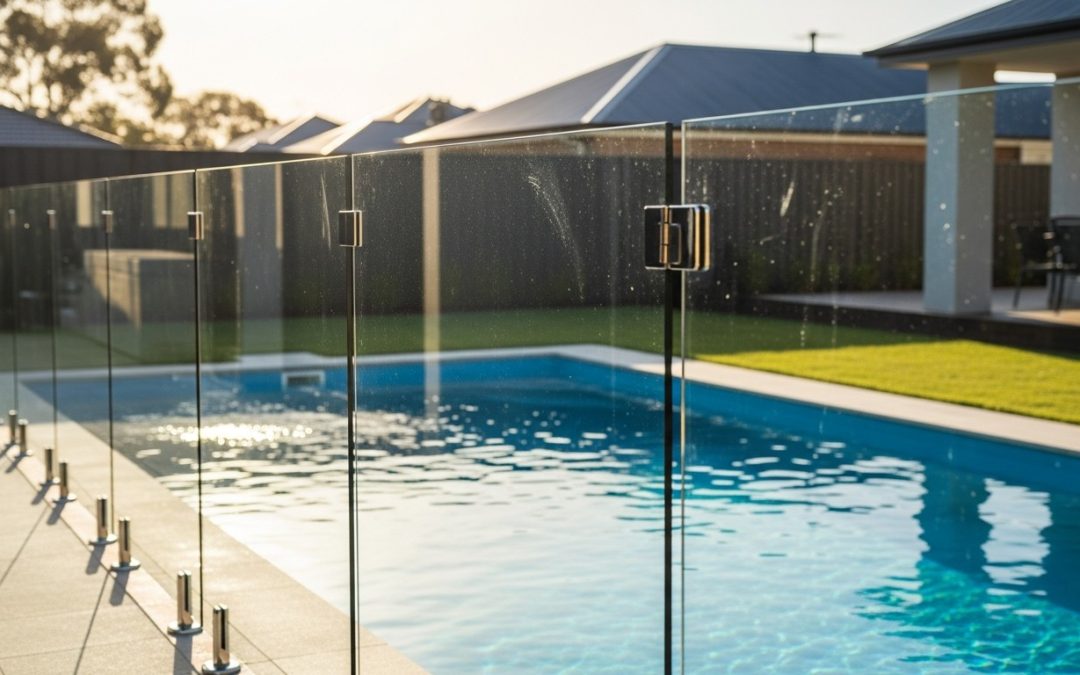
Understanding Glass Pool Fencing in Adelaide
For homeowners in Adelaide considering a new swimming pool or updating an existing one, glass pool fencing presents a contemporary and secure option. Builders and renovators often encounter glass pool fencing requirements, necessitating a clear understanding of its core components and installation nuances. This article focuses on the specific considerations for glass pool fencing, providing practical insights without delving into a comprehensive overview of all pool fencing types. Broader context on pool safety and fencing options is available in other resources.
When it comes to enhancing outdoor living spaces, the aesthetic appeal of a pool area is often a priority. Glass pool fencing offers an unobstructed view, seamlessly integrating the pool into its surroundings. However, beyond aesthetics, the primary function remains safety and compliance with local regulations.
Compliance with Australian Standards
A critical aspect of any pool fencing project in Adelaide is adherence to Australian Standard AS 1926.1-2012 (Safety barriers for swimming pools). Non-compliance can lead to significant issues, including fines and potential safety hazards. This standard dictates various elements, such as the minimum fence height (typically 1200mm from finished ground level), maximum allowable gaps under the fence (usually 100mm), and self-closing, self-latching gate mechanisms that open outwards from the pool area. For homeowners, understanding these requirements is fundamental, as council inspections are mandatory for pool fencing installations. What often causes issues is overlooking subtle details, such as objects placed too close to the fence that could be used for climbing, or gates that don’t fully self-latch without manual intervention.
Types of Glass Pool Fencing Systems
There are generally two main types of glass pool fencing systems prevalent in Adelaide: frameless and semi-frameless.
- Frameless Glass Pool Fencing: This system uses thick, toughened glass panels (typically 12mm) secured by stainless steel spigots fixed directly into the ground or a deck. The key advantage is the completely uninterrupted view, offering a high-end, minimalist aesthetic. In cases where a premium, seamless look is desired, frameless is often the preferred choice. However, the installation requires precise measurements and a perfectly level surface to ensure stability and proper alignment.
- Semi-Frameless Glass Pool Fencing: This option incorporates toughened glass panels (often 10mm thick) held in place by posts, typically made of aluminum or stainless steel. While it still provides excellent visibility, the posts introduce a subtle visual break. Semi-frameless can be a more cost-effective solution than frameless while still offering a modern look and robust safety. When budget is a factor but aesthetics remain important, semi-frameless is a common consideration for Adelaide properties.
Material Quality and Durability
The longevity and safety of glass pool fencing depend heavily on the quality of its components. Toughened glass is essential for safety, as it’s designed to withstand impact and, if broken, shatters into small, blunt pieces rather than sharp shards. For hardware, marine-grade stainless steel (316 grade) is crucial, especially in Adelaide’s coastal areas or for pools with saltwater chlorinators. What often causes issues is the use of lower-grade stainless steel (like 304), which can corrode and rust over time, compromising the fence’s structural integrity and appearance. When X applies, Y is common: When inferior hardware is used, premature corrosion and failure of gates or panel fixings is common, leading to costly repairs and potential safety breaches.
The Role of Professional Installation
While DIY projects can be tempting, the installation of glass pool fencing is not a task for the inexperienced. Professional installation ensures that the fence not only looks good but, more importantly, meets all safety standards and local council requirements. Precise measurements, proper gate alignment, secure fixing of spigots or posts, and correct gap spacing are all critical. Improper installation can lead to non-compliance during inspections, necessitating costly rework, and can also compromise the fence’s stability, posing a significant safety risk. An experienced installer will understand the nuances of different ground types, drainage considerations, and the specific regulations applicable across various Adelaide council areas.
Maintenance Considerations for Glass Fencing
Maintaining glass pool fencing in Adelaide involves regular cleaning to remove dirt, dust, and water spots, which can be more noticeable on glass than other materials. Using appropriate glass cleaning solutions and soft cloths can help maintain its clarity. For the hardware, occasional cleaning and inspection for any signs of wear or corrosion are advisable, particularly for gates and latches. Regular checks ensure that self-closing and self-latching mechanisms continue to function correctly, a key element of ongoing pool safety. While glass itself is durable, consistent upkeep helps preserve both its appearance and its functional integrity over time.