
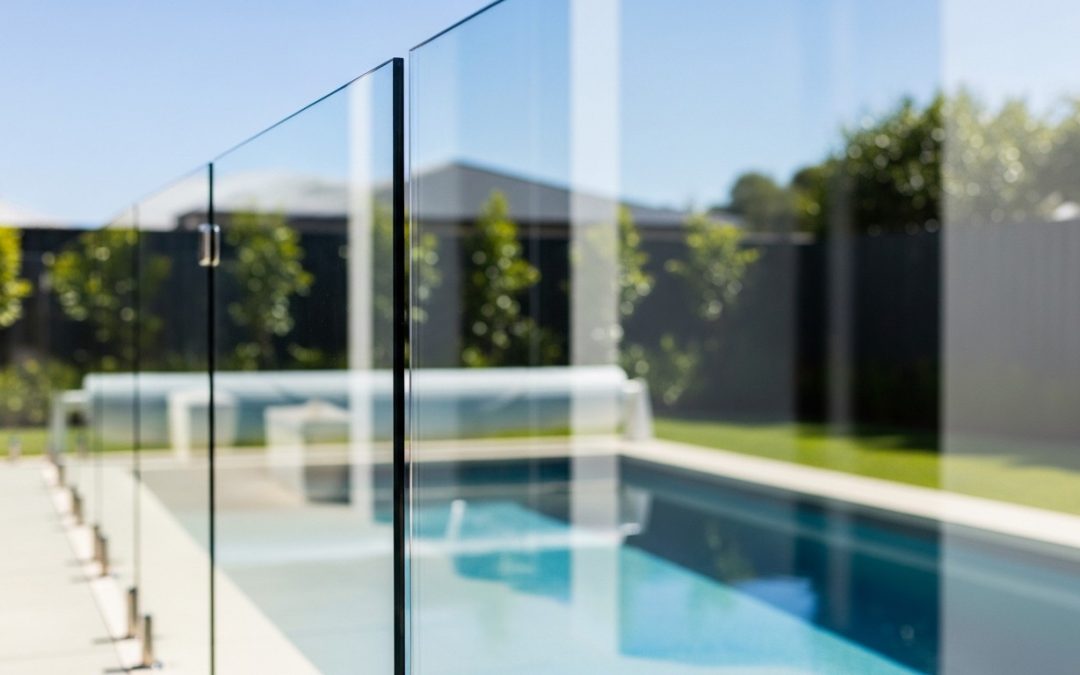
When planning a swimming pool installation or renovation in Adelaide, selecting the right fencing is a critical step. Glass pool fencing offers a blend of safety, compliance, and aesthetic appeal that homeowners and builders often prioritize. This article focuses on the specific considerations for integrating glass pool fencing into Adelaide properties, providing practical insights rather than a comprehensive overview of all pool fencing options. Full context on broader pool safety regulations and fencing types is available through relevant local council resources.
The Appeal and Practicality of Glass Fencing for Adelaide Homes
Glass pool fencing has become a popular choice for many Adelaide homeowners due largely to its ability to provide clear, unobstructed views of the pool area. This visual transparency can be particularly appealing for properties with landscaped gardens or scenic backyards, allowing the pool to integrate seamlessly with the outdoor living space. Unlike traditional barrier types, glass panels minimize visual clutter, contributing to a more open and spacious feel.
Beyond aesthetics, the practical benefits are significant. The smooth, non-porous surface of glass is straightforward to clean, often requiring just a wipe down to remove dust or water marks. This ease of maintenance can be a considerable advantage in Adelaide’s climate, where outdoor elements can quickly affect other materials. Furthermore, the robust nature of tempered glass, designed to meet Australian safety standards, ensures a durable barrier that can withstand various weather conditions, providing peace of mind for property owners.
Understanding Adelaide’s Pool Fencing Regulations
Compliance with local and state regulations is paramount for any pool fencing project in Adelaide. South Australia has specific requirements outlined in the Development Act 1993 and the Development Regulations 2008, which align with the Australian Standard AS 1926.1-2012 for safety barriers for swimming pools. These regulations dictate aspects such as fence height, gate latching mechanisms, and the absence of climbable objects near the barrier.
For glass pool fencing, this typically means a minimum fence height of 1200mm from finished ground level, self-closing and self-latching gates that open outwards, and minimal gaps between panels and the ground. What often causes issues is overlooking specific site conditions, such as retaining walls or changes in ground levels, which can inadvertently create climbable footholds. When X applies, Y is common: if a garden bed is too close to the fence, it might provide a climbing point, requiring adjustment or relocation. It’s crucial that installation adheres strictly to these guidelines to ensure the safety of children and to avoid potential fines or compliance issues during inspections.
Installation Nuances for Durability and Safety
The long-term performance and safety of glass pool fencing heavily depend on professional installation. While the concept might seem straightforward, the precision required for correct alignment, secure fixing, and proper gate operation is substantial. In cases where the ground is uneven or slopes, specialized techniques are necessary to maintain the required fence height and prevent gaps. What often causes issues is improper post spacing or inadequate fixing methods, which can compromise the structural integrity of the barrier over time.
For homeowners, this means selecting an installer with a proven track record in Adelaide, familiar with local soil conditions and building practices. Builders and renovators, too, recognize the value of partnering with experienced fencing installers Adelaide to ensure projects meet both aesthetic expectations and stringent safety codes. When X applies, Y is common: if a frameless system is chosen, the spigots (the posts holding the glass) must be correctly anchored into a solid, level surface to prevent movement or instability. This attention to detail during installation is what ensures the fence remains a secure and compliant barrier for years.
Maintenance and Longevity of Glass Pool Fencing
Maintaining glass pool fencing is generally less demanding than other materials, but consistent care contributes to its longevity and appearance. Regular cleaning to remove dirt, sunscreen residues, and salt spray, particularly in coastal areas around Adelaide, helps prevent mineral build-up and etching on the glass surface. Using appropriate glass cleaners and soft cloths avoids scratching.
Periodic checks of gate hinges and latches are also important to ensure they continue to operate correctly, maintaining the self-closing and self-latching functionality mandated by safety standards. In cases where components show signs of wear, addressing them promptly can prevent minor issues from escalating. When X applies, Y is common: if gate hinges become stiff, a small amount of lubricant can restore smooth operation, preventing damage to the gate or frame.
Ultimately, investing in quality glass pool fencing and professional installation in Adelaide provides a safe, compliant, and visually appealing addition to any property. Understanding the local regulations and the importance of precise installation are key to a successful project.