
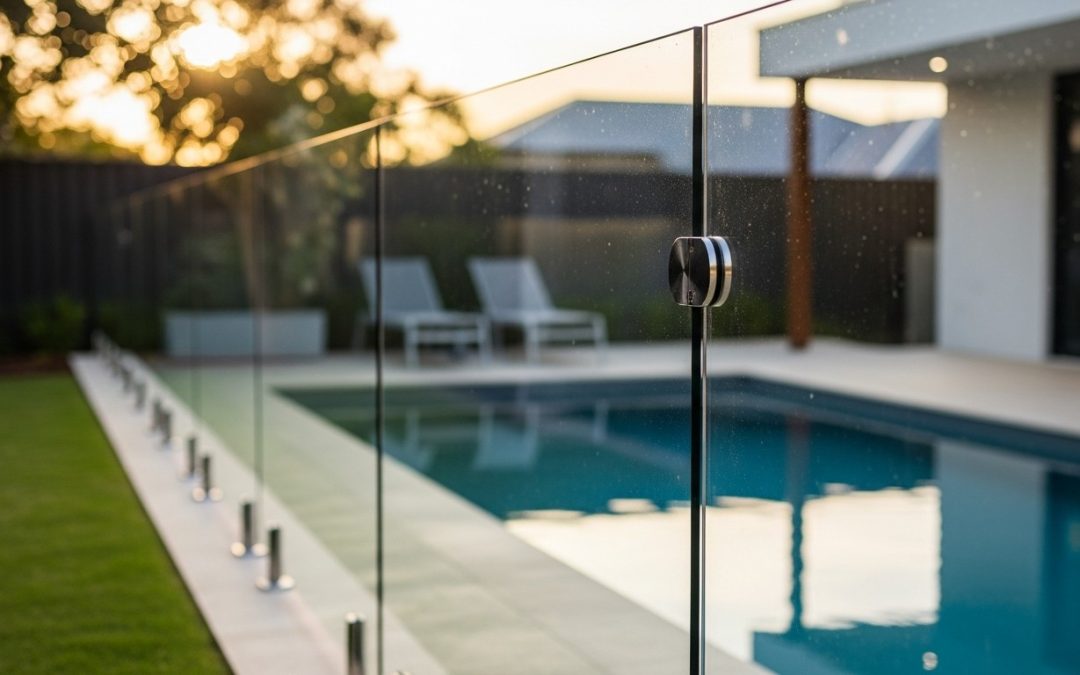
Understanding the elements that contribute to a successful glass pool fencing installation is crucial for homeowners and builders across Adelaide. This isn’t a comprehensive guide to all pool fencing, but rather a focused look at the specific considerations when opting for glass. The effectiveness and longevity of a glass pool fence depend on several key factors, ranging from site assessment to material selection and adherence to local regulations. Recognizing these influences can help ensure a compliant, safe, and visually appealing result for any swimming pool project.
Initial Site Assessment and Preparation
Before any glass panel is installed, a thorough site assessment is fundamental. The characteristics of your Adelaide property, such as ground stability, existing landscaping, and the pool’s precise dimensions, all play a significant role. What often causes issues is inadequate preparation of the installation area. An uneven surface, for example, can complicate panel alignment and compromise structural integrity over time. In cases where the ground isn’t level, specific excavation or leveling work may be necessary to create a stable foundation for the fencing posts or spigots.
Ground Conditions and Drainage
Adelaide’s varied soil types mean that ground conditions can differ significantly from one property to another. Soil composition affects the type of fixings required for the fence posts. For instance, soft or sandy soil might necessitate deeper footings or specialized anchoring systems compared to stable, compacted earth. Proper drainage around the pool area is also vital. Standing water can impact the lifespan of hardware and the stability of the fence over time. Experienced glass fencing installers in Adelaide will always account for these environmental factors during their initial survey, ensuring the installation can withstand local conditions.
Existing Structures and Services
The presence of existing structures like retaining walls, garden beds, or underground services (water pipes, electrical conduits) near the pool perimeter can influence the fence layout and installation method. When such obstacles apply, custom solutions are common, which might involve core drilling through specific materials or adjusting panel widths. Mapping out these elements beforehand helps prevent unexpected complications during installation, ensuring a smooth process and avoiding potential damage to existing infrastructure.
Material Selection and Compliance
The type of glass and hardware chosen directly impacts the fence’s durability, safety, and aesthetic. Not all glass is suitable for pool fencing, and selection must adhere to Australian Standards.
Glass Specifications
For glass pool fencing in Adelaide, it’s typically required to use toughened safety glass. This glass is manufactured to be significantly stronger than standard glass and, if it breaks, shatters into small, relatively harmless pieces. Common thicknesses range from 10mm to 12mm, with the choice often depending on panel size and specific engineering requirements. Quality glass fencing installations prioritize certified glass that meets AS/NZS 2208:1996 safety glazing materials in buildings, ensuring maximum safety for poolside environments.
Hardware and Fixtures
The hardware—spigots, hinges, latches—is just as crucial as the glass itself. Stainless steel, particularly marine-grade stainless steel (316 grade), is a common choice for its corrosion resistance, which is especially important in humid pool environments or coastal Adelaide locations. The quality of these components directly affects the fence’s longevity and security. What often causes issues is using substandard hardware that corrodes or fails prematurely. Reputable Adelaide businesses providing pool fencing Adelaide will only use robust, compliant hardware designed for outdoor use and constant exposure to pool chemicals and weather.
Installation Expertise and Regulatory Adherence
Professional installation is paramount for glass pool fencing, ensuring both safety and compliance with stringent local regulations.
Precision and Alignment
Glass panels require precise alignment to ensure a seamless, gap-free barrier. Even minor discrepancies can affect the fence’s structural integrity and visual appeal. Experienced fencing installers Adelaide possess the specialized tools and expertise to achieve exact measurements and perfect alignment, minimizing potential stress points on the glass. This meticulous approach is a hallmark of quality glass fencing installations.
Adelaide Pool Safety Regulations
All pool fencing in South Australia, including glass fencing, must comply with the Development Act 1993 and the Development Regulations 2008, specifically regarding pool safety barriers. These regulations dictate aspects like minimum fence height, gate self-closing and self-latching mechanisms, and permissible gaps. Non-compliance can lead to significant fines and safety risks. When X applies, professional installers ensure every aspect of the fence meets these strict requirements, providing peace of mind for homeowners and builders alike. They understand the nuances of local codes and can navigate the inspection process effectively.
Maintenance and Longevity Considerations
While glass fencing is known for its low maintenance, considering its long-term care during installation can enhance its lifespan. Proper sealing of hardware and ensuring adequate drainage around the base of the fence can prevent water pooling and minimize cleaning efforts. When dealing with properties exposed to significant dust or sea spray, a plan for routine cleaning is common to maintain clarity and prevent buildup that could etch the glass over time.
Conclusion
Installing glass pool fencing in Adelaide involves a careful consideration of site specifics, material choices, and rigorous adherence to safety standards. These factors collectively determine the success, safety, and aesthetic integration of the fence into your property. Focusing on these influences from the outset can help achieve a durable and compliant pool barrier.