
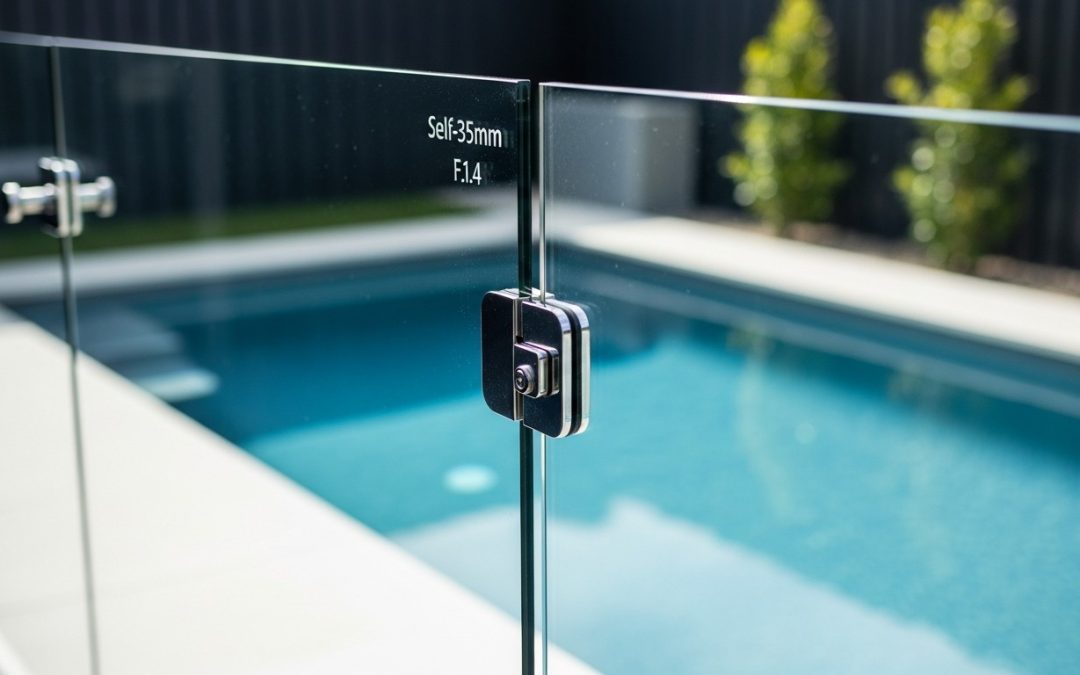
Understanding Glass Pool Fencing Compliance in Adelaide
For Adelaide homeowners considering a new swimming pool or updating an existing one, understanding the regulatory landscape for pool fencing is essential. Glass pool fencing offers a sleek, modern aesthetic while providing crucial safety. However, its effectiveness hinges entirely on strict adherence to Australian Standards and local council requirements. This page focuses specifically on the critical aspects of compliance for glass pool fencing installations in Adelaide, emphasizing common scenarios and potential pitfalls. For a broader overview of glass pool fencing options and benefits, other resources are available.
Australian Standards and Local Regulations for Pool Fencing
The primary document governing pool safety barriers across Australia is AS 1926.1-2012, ‘Safety barriers for swimming pools’. This standard outlines detailed specifications for fence height, gate operation, non-climbable zones, and materials. In Adelaide, these national standards are complemented by specific requirements from local councils, which may include additional regulations or specific inspection processes. It’s not uncommon for council guidelines to interpret certain aspects of the national standard, particularly concerning boundary fences or unique property layouts.
For instance, the standard mandates a minimum fence height of 1200mm from finished ground level. Gates must be self-closing and self-latching from any open position, and the latch release mechanism must be located at least 1500mm from the ground, or on the inside of the gate with a hand-access point at least 1200mm high. Understanding these precise measurements is crucial, as even slight deviations can lead to non-compliance.
Common Pitfalls in Achieving Compliance with Glass Pool Fencing
While glass pool fencing appears straightforward, several factors can complicate compliance during installation in Adelaide properties:
- Ground Level Variations: Properties in Adelaide often feature sloping blocks or uneven ground. The 1200mm fence height must be maintained from the *finished ground level* on both sides of the fence. This means if the ground slopes, the fence height may need to be adjusted or stepped, which can affect panel sizes and post placement.
- Non-Climbable Zones: The standard specifies a 900mm non-climbable zone around the pool barrier. This means no permanent objects (like BBQs, planter boxes, or even climbable trees) should be within 900mm of the fence, measured horizontally and vertically, that could assist a child in scaling the fence. What often causes issues is overlooking existing garden features or future landscaping plans that could compromise this zone.
- Boundary Fence Considerations: When a boundary fence forms part of the pool barrier, it must also meet AS 1926.1-2012. This can be complex if the boundary fence is not owned by the pool owner or if it’s a shared fence with varying heights or materials. For glass pool fencing, ensuring the boundary section integrates seamlessly and securely is a key challenge.
- Gate Functionality and Maintenance: While initially compliant, gate hinges and latches can degrade over time due to weather exposure or heavy use. What often leads to issues is a lack of regular maintenance, causing gates to stick, sag, or fail to self-latch properly, thereby compromising pool safety.
- Panel Gaps and Spacing: The maximum allowable gap beneath the fence panels is 100mm, and gaps between panels or between a panel and a post must not exceed 10mm. Achieving these precise tolerances, especially with frameless glass panels, requires meticulous measurement and installation.
The Importance of Professional Installation for Compliance
Given the intricacies of AS 1926.1-2012 and local Adelaide council stipulations, professional installation is not just a convenience but a critical aspect of ensuring pool safety. Experienced fencing installers Adelaide are familiar with navigating these complexities, from understanding specific site challenges to ensuring all measurements and clearances meet the required standards. They can identify potential compliance issues before they become costly problems.
In cases where a pool barrier is found to be non-compliant, the consequences can range from fines and rectification orders from local councils to, more importantly, a significant risk to safety. Engaging professionals helps mitigate these risks, ensuring that your glass pool fencing is both visually appealing and legally sound. When X applies, such as complex terrain or integrating with existing structures, Y is common – the need for custom solutions and expert judgment to maintain compliance.
Maintaining Compliance Over Time
Achieving compliance at the point of installation is just the beginning. Homeowners have an ongoing responsibility to maintain their glass pool fencing. Regular checks should include ensuring gates self-close and latch securely, there are no new objects in the non-climbable zone, and all panels and hardware remain in good condition. Damage, wear, or alterations to the fence can quickly render it non-compliant, undermining pool safety.