
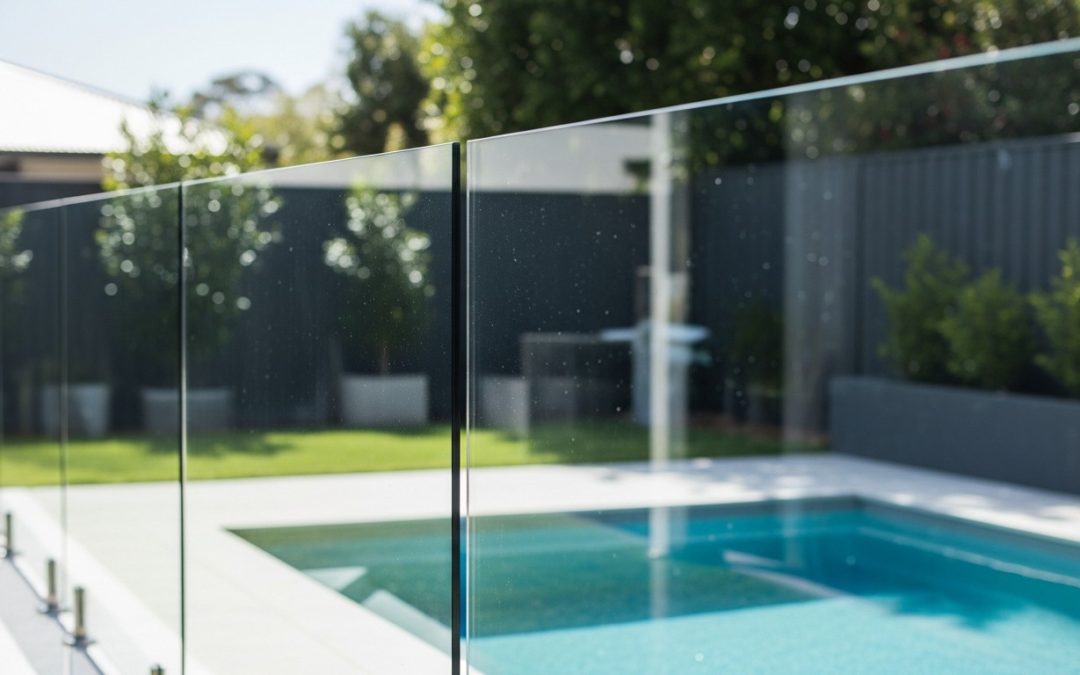
Understanding the Importance of Professional Glass Pool Fencing Installation
For homeowners across Adelaide, a swimming pool offers a fantastic amenity, enhancing lifestyle and property value. However, ensuring its safety and compliance with local regulations is paramount. While the aesthetic appeal of glass pool fencing is undeniable, its effectiveness hinges significantly on professional installation. This page focuses specifically on why expert installation of glass pool fencing is not just a preference, but a critical requirement for both safety and durability in the Adelaide environment. For broader information on various types of pool fencing or specific design considerations, please refer to our other resources.
Ensuring Safety and Regulatory Compliance
The primary role of any pool fence is safety, particularly in preventing unsupervised access by young children. In Adelaide, as with all of South Australia, strict regulations govern pool fencing, including minimum heights, gate self-latching mechanisms, and gap allowances. Improper installation of glass panels can compromise these critical safety features. For instance, incorrect panel alignment might create gaps exceeding permissible limits, or poorly secured gates could fail to self-latch effectively. When installation isn’t handled by experienced professionals familiar with these specific requirements, the risk of non-compliance and, more importantly, a safety hazard, increases considerably. What often causes issues is a misunderstanding of how different ground levels or adjacent structures impact the required fence height and panel placement.
The Durability Factor: Withstanding Adelaide’s Conditions
Adelaide’s climate presents unique challenges for outdoor structures. Extreme summer heat, occasional strong winds, and fluctuating temperatures can impact materials. Glass pool fencing, when professionally installed, is designed to withstand these conditions. This involves not only using high-quality glass and hardware but also ensuring proper footing and secure attachment points. A common pitfall for DIY or inexperienced installations is inadequate anchoring of posts or spigots, which can lead to instability over time. In cases where the fence is exposed to significant wind loads, the precise engineering of the installation becomes even more critical to prevent structural failure or glass breakage. When the groundwork is not prepared correctly, or the fixings are insufficient for the specific substrate, the long-term integrity of the fence may be compromised.
Maintaining Aesthetic Integrity
One of the main reasons homeowners choose glass pool fencing is its ability to provide a clear, unobstructed view of the pool area, creating an open and luxurious feel. However, this aesthetic benefit is directly tied to the quality of installation. Misaligned panels, uneven gaps, or visible hardware imperfections can detract significantly from the intended sleek appearance. Professionals possess the precision tools and techniques to ensure panels are perfectly level, gaps are consistent, and hardware is discreetly and securely integrated. This attention to detail is what separates a visually stunning installation from one that looks disjointed or amateurish. When X applies, Y is common – when panels are not perfectly plumb and level, reflections can appear distorted, diminishing the clear sightlines.
Long-Term Maintenance and Cost Implications
While professional installation may seem like an initial investment, it often translates into significant savings and fewer headaches in the long run. A correctly installed glass pool fence requires minimal maintenance beyond routine cleaning. Conversely, a poorly installed fence may lead to ongoing issues, such as loose panels, failing gates, or even stress fractures in the glass due to improper pressure distribution. These problems can necessitate costly repairs or even a complete reinstallation. Furthermore, an installation that doesn’t meet compliance standards could incur fines or require expensive rectification work, particularly during property inspections or resale. Understanding these potential consequences highlights the value of getting it right the first time.
Selecting an Installation Partner in Adelaide
When considering glass pool fencing for your Adelaide home or project, partnering with an experienced installation provider is a fundamental step. Look for companies with a proven track record of understanding local regulations and executing high-quality, durable installations. The experience brought by a specialist installer can be invaluable in navigating site-specific challenges, ensuring both safety and visual excellence. For homeowners and builders in Adelaide, prioritizing professional installation ensures peace of mind, knowing your pool area is secure, compliant, and aesthetically pleasing for years to come.
Frequently Asked Questions
Is glass fencing difficult to clean?
Can glass fences break easily?
Do all glass fences meet safety standards?
People Also Ask
What are Adelaide pool fence regulations?
These regulations are designed to prevent accidental drownings and ensure a safe environment around swimming pools. It’s crucial for homeowners to understand and adhere to these detailed requirements, as non-compliance can result in penalties and safety risks.
How much does glass pool fencing cost?
Generally, frameless options are at the higher end due to their aesthetic and specialized installation requirements, while semi-frameless can be a more budget-friendly choice. Obtaining a detailed quote for your specific project is the best way to determine the exact cost.
Can I install glass pool fencing myself?
Improper installation can lead to safety hazards, non-compliance with local regulations, and potential structural issues over time, which could result in costly repairs or even reinstallation. Professional installers have the experience and tools to ensure a safe, compliant, and durable fence.
What types of glass are used for pool fences?
This toughened glass provides both the necessary strength for safety and the clarity desired for an unobstructed view. The thickness chosen can sometimes depend on the specific design and structural requirements of the fence.